

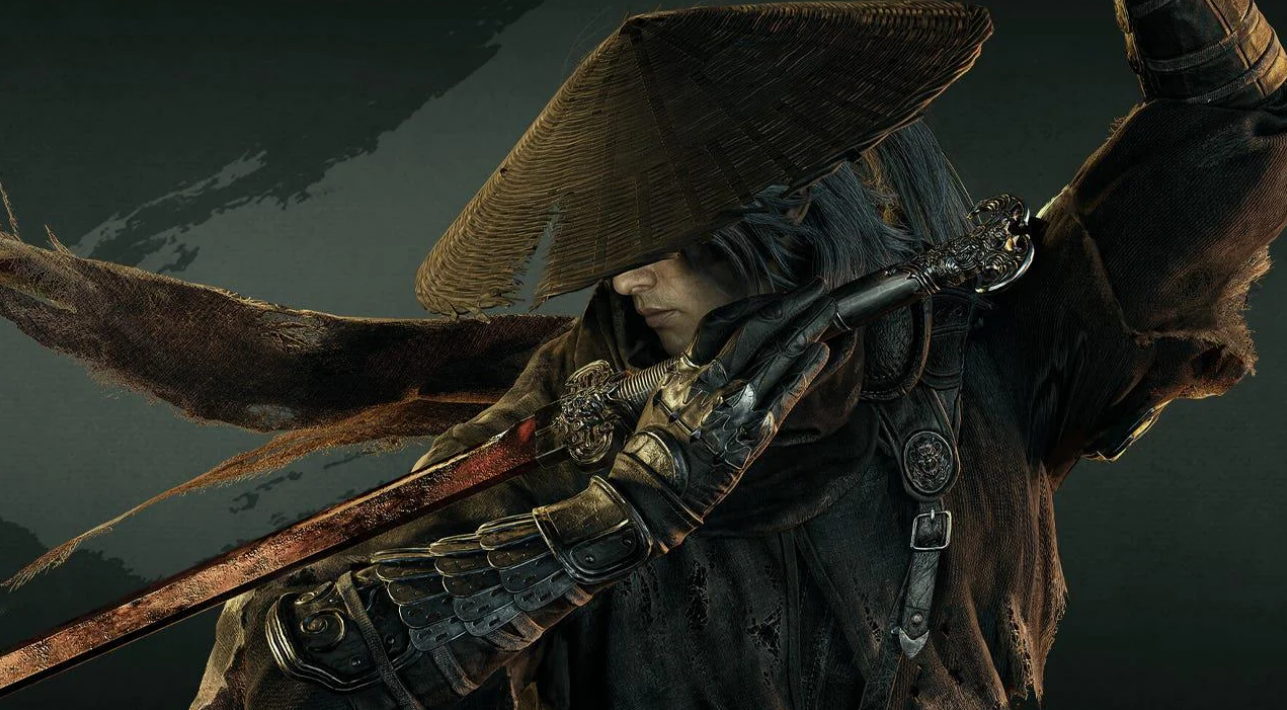
It’s not every day that brand new IPs are released that look as polished and fun as Phantom Blade Zero. And when they do, in this day and age, alarm bells ring in my mind. Cinematic trailers, faked concept gameplay, and then released games that bear no resemblance to the hype. However, sometimes those doubts are misplaced. Sometimes, the promise is fulfilled. Sometimes the released game is even better than we had any conceivable hope for. Black Myth Wukong was one example. Phantom Blade Zero is now the second.
You’d be forgiven for not knowing the Phantom Blade IP, but technically Zero is not the first in the series. That sounds strange. Anyway, three years ago, S-Game released Phantom Blade Executioners to some success, but not the incredible reaction that Zero’s trailers received. The Phantom Blade world is a wuxia-inspired one – and what is wuxia says most of the western audience. Well, it’s a kind of classic Chinese martial arts story, mixed with some archaic chivalry – think the movies Crouching Tiger, Hidden Dragon, or House of Flying Daggers.
Wuxia games are gaining traction in the West (and why shouldn’t they?), but they rarely hit this high a standard. So what makes Phantom Blade stand out from a seriously crowded 2026 release schedule full of big hitters from established studios? Let’s take a look.
Narrative-wise, Phantom Blade Zero seems to tell you a lot without really telling you much at all. You are a member of the Order, technically an ex-member, yet that same Order is hunting you down. Your childhood friend turned rival and you both killed each other at the same moment, and were offered strange magical hearts with different virtues to return to the world of the living. Lots of info, lots of cool setup, yet why the Order’s strange mind-altered masked goons are chasing you down is not explained up front. Or why you are really on your quest at all. Or what your friend/rival is doing now. Or who is part of the Mandate, who is Order, who is Ex-Order, and what is transcension etc. It has a lot to say, but somehow never adequately explains.
On the surface you play as Soul, a kind of clanless wanderer, given 66 days to live by that new heart I mentioned, and tasked with finding your way through Ancient China and seeking out the rival you lost in death. It plays like many other compelling adventure games. Explore the regions, fight bosses, get more powerful, and continue. What it struggles to do is really put across that story. It’s still compelling somehow, perhaps because of its uniqueness, but it’s not telling a really affecting story most of the time.
That said, it excels in the smaller quest narratives, where you might have items to find or revenge to be sought for an NPC, which Soul gladly does. He’s like a morally grey Jedi. These quests are quite well written and certainly never felt like fetch quests etc, and more like fleshing out the world in interesting ways. Every NPC seems world-weary and three-dimensional even if they only have a few scant lines. They are better written than most quest-giving token NPCs in most video games.
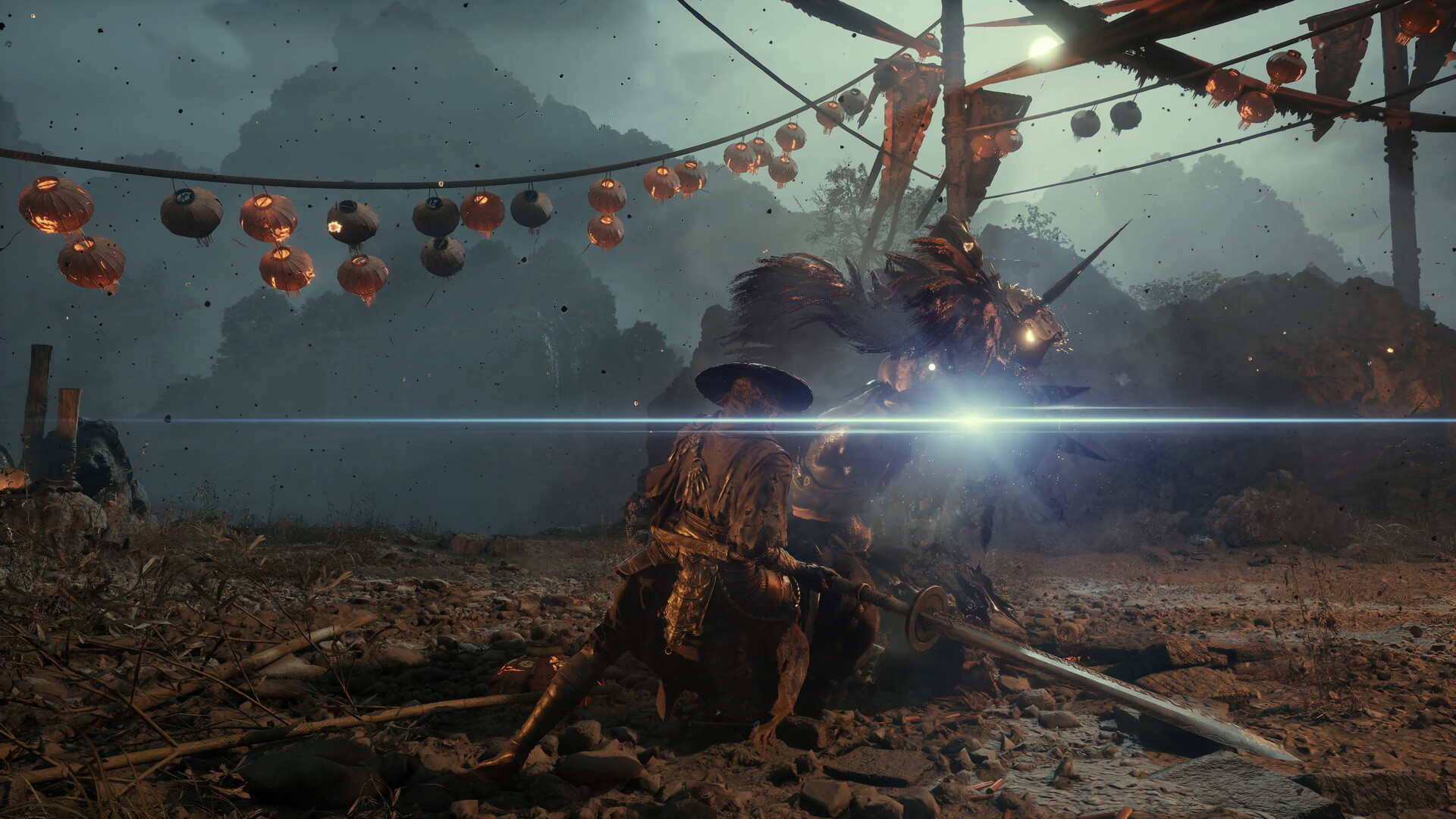
So, story aside mate, first question is always, well, is it a soulslike? In this case, despite appearances, Phantom Blade Zero is far closer to something like Ghost of Tsushima than it is to your average soulslike. There’s no real souls power to collect, no gaining levels by spending accumulated experience. There’s a break gauge, but not a stamina gauge – although it does work like block stamina. And while there are bonfire-like little bells where you can perform these upgrades, they are very common and crucially do not respawn enemies in most cases.
Once an enemy, lowly or boss, is defeated, that’s pretty much it for them. If you think about it, if there is no experience to gain, fighting enemies over and over stops making sense. S-Game has opted for a finite progression system that knows, within a bit of a tolerance, how far you’ve got and how much upgrading you could have done by that point, and the difficulty of the game is based on this. There are even blockers to getting much stronger, particular items to combine with experience to buy more moves and enhancements. It all smells like a lot of controls around being over- or under-levelled.
Instead of experience, you buy moves and upgrades, and you can enhance and upgrade your weapons. But Soul himself stays pretty much the same, bar some extra health and block stamina. This massively encourages exploration, because those weapon-enhancing materials need to be found to have any hope of getting stronger. It also means when you are fighting large groups, although Soul is very capable, it makes a lot of sense to take out some, retreat, and then come back and take out more. The system has its exploits (what system doesn’t?), but it’s surprisingly fresh measured against the now familiar souls system. At the same time, it can feel fairly one-and-done, with areas you’ve already cleared feeling empty and dead if you go back through them.
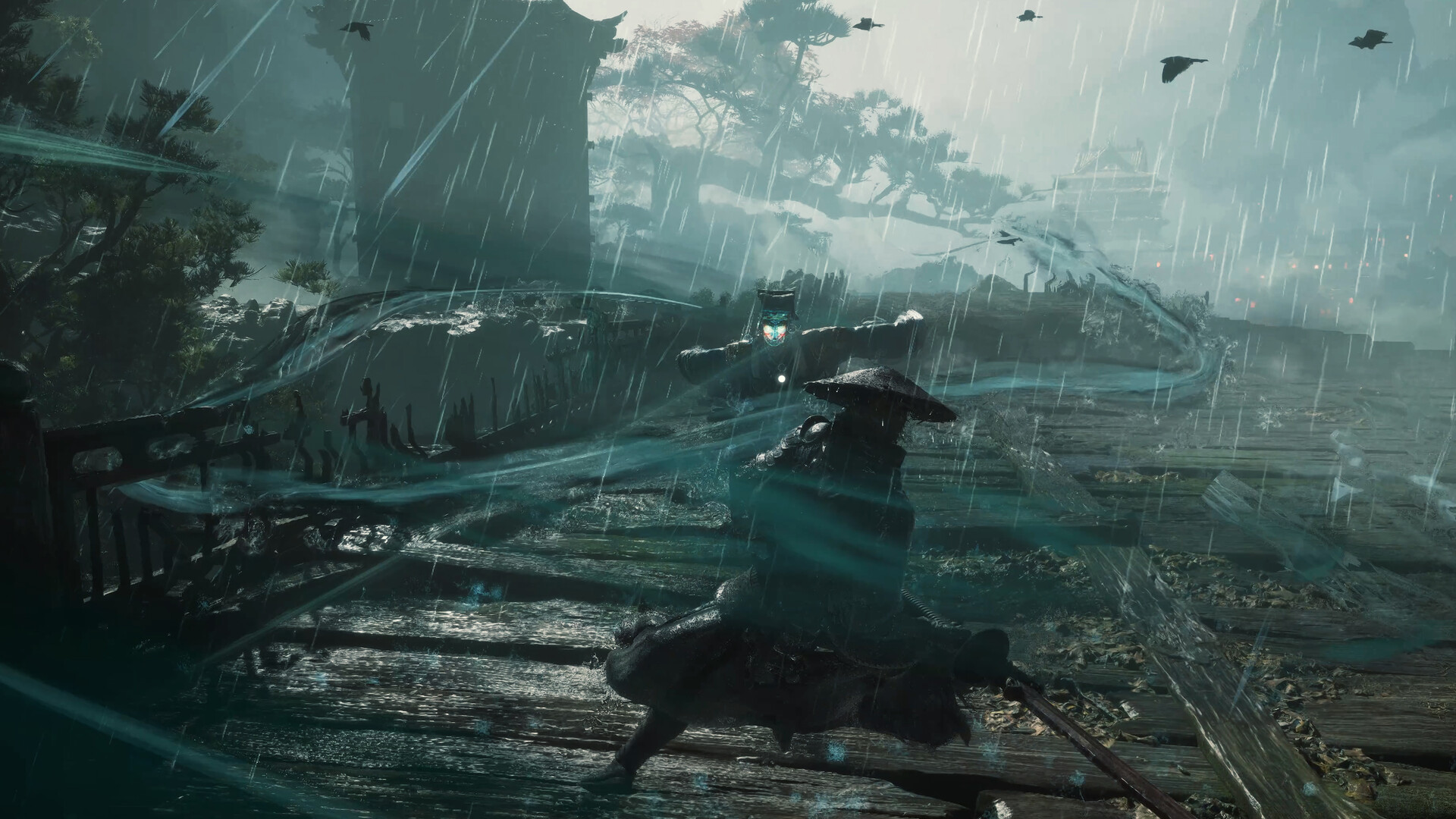
So it differs a lot from a soulslike, but it’s also very similar in another respect – difficulty. Phantom Blade Zero has some exceptionally hard bosses, and a fair number of enemies who can take you out in a quick combo. I reached a drunken-style master on a bridge a few bosses in, and he stopped my progress dead for an infuriating amount of time.
That said, Phantom Blade Zero is also kind to you on bosses. You know that bane of soulslike players across the world: two-stage, or even three-stage bosses. Usually you have to do both stages with one set of health. In Zero, once you’ve done one stage, if you die, you can tackle the boss again from the second stage! Perhaps because of this, many of the one-stage bosses are actually harder, but hey, you can’t have it all.
While I enjoyed the combat for the most part, I did find the sensitivity of the controls on parrying and in using the shoulder buttons for blue or red light moves was not always what it could have been. Phantom Blade Zero can look a bit flashier than maybe it really is. And that’s no bad thing, but I wasn’t always convinced combat was as straight-up with me as I wanted to think it was.
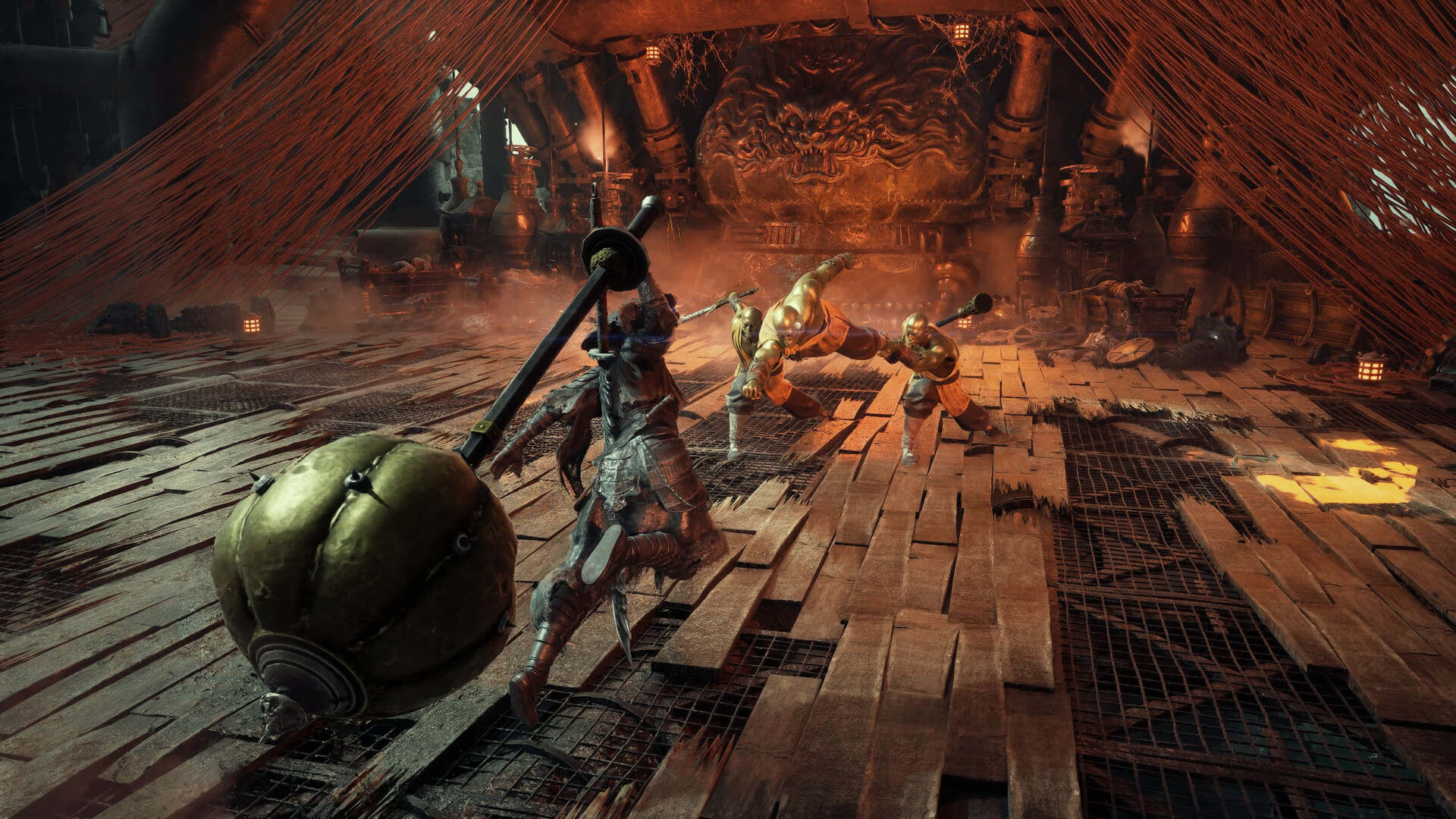
Phantom Blade Zero also does another thing most soulslikes shy from, and that’s having multiple difficulties. This is an ongoing debate, but it certainly means it’s more accessible. Those who cannot string together 50 perfect parries can opt for the Wayfarer story level difficulty and find bosses much easier to deal with. However, I find I fall somewhere in the middle of this debate. I find the option of a lower difficulty when I’m struggling to be too alluring not to use, and then I find it cheapens the experience. I needed to be more disciplined perhaps, but with no difficulty levels this temptation is removed.
The game features a few great yet nicely simple weapons, and an array of Phantom weapons you can bring out in a pinch a few times per battle, using up your Sha-Chi power. Many of these also work in exploration too – the first three are a huge axe you can use to break down chained doors, some chain hooks used as grapples, and a bow to shoot down hanging treasure.
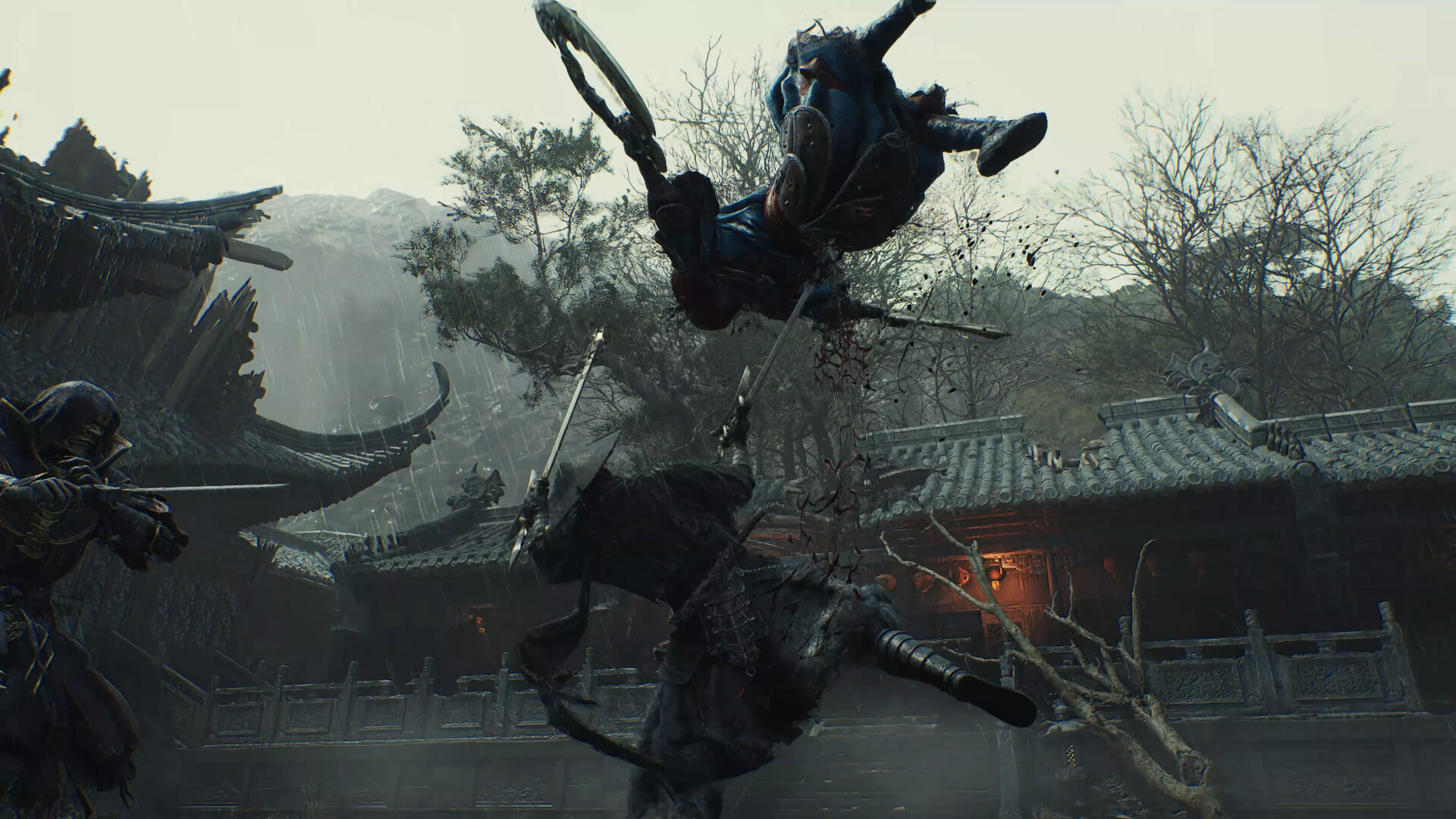
Visually, Phantom Blade Zero is a feast for the eyes. The world of deep and ancient China is incredibly realised, with some beautiful art direction that calls to mind the powerful vistas of Ghost of Tsushima. Level design is often a soulslike maze leading back to a shortcut, but the verticality in these, especially in the first couple of areas, is really top-notch.
I was very impressed by the cinematic direction from start to finish in the cutscenes. Beautiful shots and angles flash past faster than you can really appreciate them, and there are some really fun playable scenes, like fighting on the back of the cart, which happens in the first few minutes.
This stellar art direction continues into the weapon design, the map design, the world map painting, and many other things besides. The soundtrack was lush and full of intense refrains that I found spurring me on as I explored, even if sometimes they were too beat-heavy for the quieter moments.
I was also surprised by the English voice acting. I said before that the NPCs are compelling, and it’s partially to do with a lot of convincing performances and an appreciable lack of embarrassing or bad acting. The Chinese voiceovers are great too, but this is one where English speakers can actually have the dub and not find it objectionable at all.
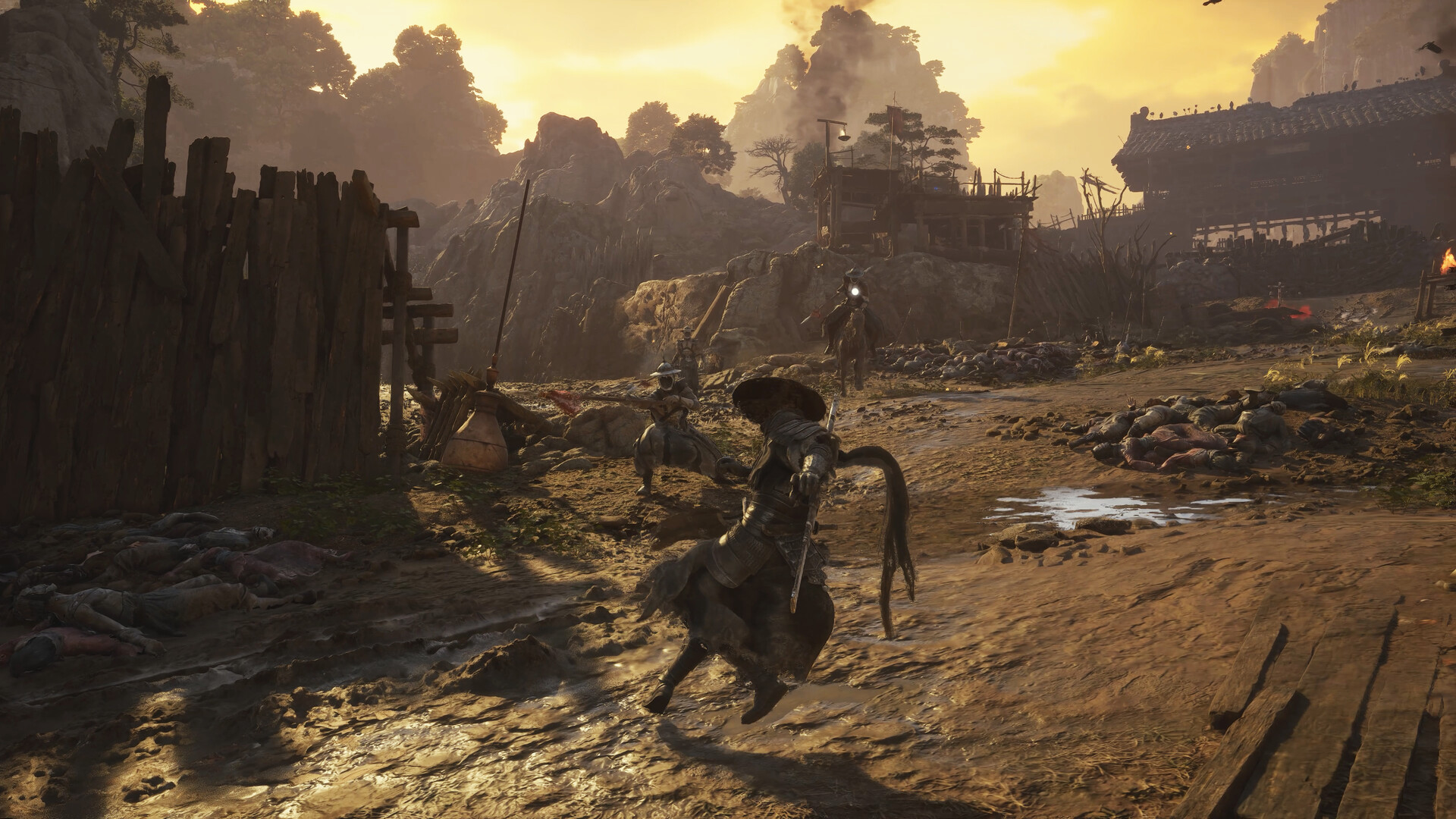
Phantom Blade Zero is an adrenaline rush of a game. Parrying your way through the sharpest, fastest, and downright coolest combat, against some fantastic and memorable bosses, is well worth the entry price. Like Black Myth Wukong, Phantom Blade Zero takes a big swing and hits some real highs in combat, art, music, and world design. It takes a place right up against some of the best in the genre over the last decade. And for all its differences from soulslikes, because of its difficulty, setting, and style, I’d still be inclined to measure it against titles like Sekiro, Black Myth Wukong, or Wo Long.
It’s just so extra. Slide down a rope, nah, why not swing round it and slide down one-handed? Sidestep like a normal person, nah, sidestep like Neo fighting Morpheus, all crossed quicksteps and flowing animations.
For all that, I wasn’t convinced the combat was perfectly responsive, nor that the difficulty levels or controls over progression really suited the game or my playstyle. It felt too restrictive and created firm progression barriers that were nigh impossible to overcome. I really liked the individual scenes of story that were delivered, beautifully directed and acted, but the overall narrative structure did not work for me, leaving major world and plot-establishing questions floundering for many long hours. Why was I on this quest? Why was I not in the Order etc? It’s fine to create a mystery, but I felt a compelling reason for the quest itself needed to be established to make me want to play, and it took far too long to be revealed.
Phantom Blade Zero is out now on PlayStation 5 (review platform), and PC via Steam.
Developer: S-Game
Publisher: S-Game
Disclaimer: In order to complete this review, we were provided with a promotional copy of the game. For our full review policy, please go here.
If you enjoyed this article or any more of our content, please consider our Patreon.
Make sure to follow Finger Guns on our social channels –Twitter, Facebook, Twitch, Spotify or Apple Podcasts – to keep up to date on our news, reviews and features.