

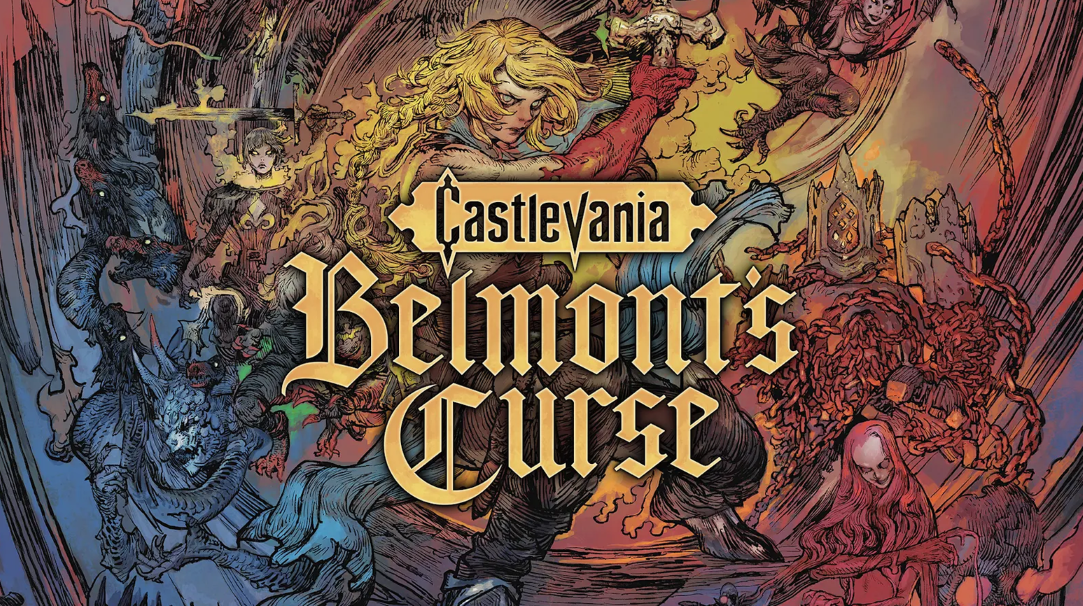
In these days of market saturation, copycats and ripoffs, there seems to be a new metroidvania every time I backtrack. But it’s not every day that one of the OG, old school, inspirations to an entire genre is resurrected like a vampire from the grave. This last week saw the release of Castlevania: Belmont’s Curse, the first Castlevania title in more than a decade (the latest being the 3D Lords of Shadow 2 in 2014), and the first 2D Castlevania since Order of Ecclesia in 2008 on the dead and buried Nintendo DS. That’s more than two entire console generations and change.
So it is with some trepidation that I approach Dracula’s castle once again. Like a cursed scion of the Belmont name myself, I’m two decades older than the last time I was here, grizzled and world-weary. Can I still wield my trusty whip the way I did when the world was young and I just a stripling of a lad? Two sharp teeth lisp yes.
So can Castlevania compete in the new world, an old boomer in a new suit, or are the old ways the best ways? Can you teach an old wolf new tricks, or are their old ways embarrassing in the modern gaming scene? Am I out of cliches yet? I don’t think so.
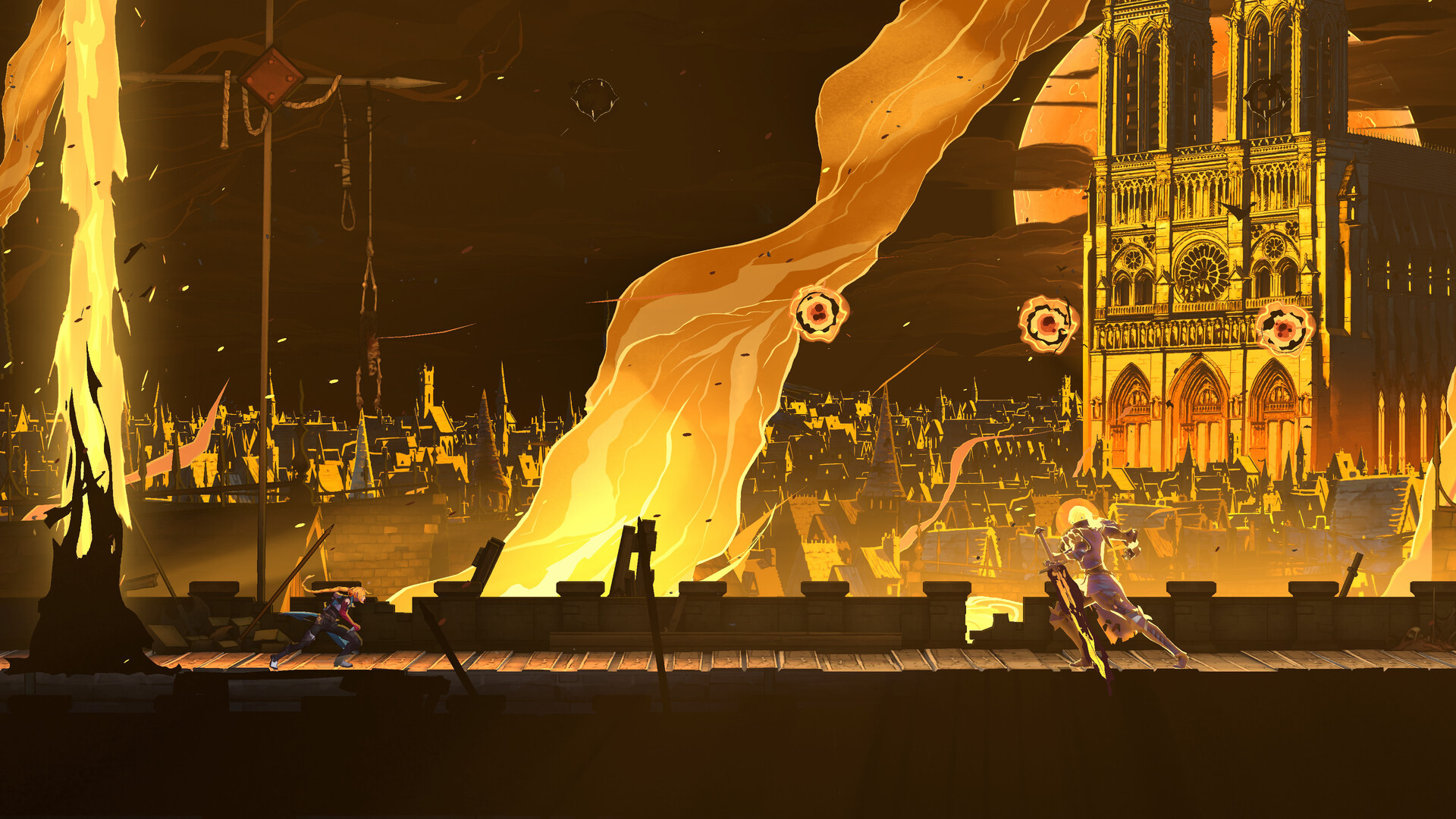
So the year is 1499, and Paris is quite literally burning. Castlevania Belmont’s Curse puts you in the shoes of Rose Belmont, the daughter of the famed vampire hunter Trevor Belmont, one of the first (but not quite the first) Belmonts to face off against Dracula. It’s some 20 or so years on from Trevor’s days, and Dracula seems to be coming back, gaining in power and influence once again. Castlevania itself has appeared in the burning centre of Paris. There’s some great narrative building blocks in here, and for fans there’s juicy nods to other outings that came chronologically before this.
Rose is the one with the curse, born with a strange brand-like mark from one hand up her arm. It’s got a lot to do with her rage; whenever she finds herself overcome with anger, the cursed arm flares and she’s in danger of it growing and overtaking her completely. She must explore Paris’ charred streets, deep catacombs, and the great intricacies of Castlevania itself all while remaining calm as a bovine.
In addition to this disabling curse, Rose is something of an investigator, sent into Paris by her father to root out what’s happening in the city. She takes with her a gift from her mother, Sypha Belnades, in the form of a tarot deck that both imbues the bearer with the ability to absorb enemies and some of their skills, and also acts as a rogues gallery of bosses and NPCs to find.
She starts a few cards short of a full deck, and as she finds spirits willing to give her clues, she can build up a card that will reveal how to find the boss on the card’s face. Some involve following the mark of death on the wall, or involve a clue about how to make the face spirit manifest.
While I found Trevor disappeared from the story entirely too early for my taste, I did warm to Rose and what becomes her deck of rogues – the myriad bosses she defeats can then just be part of the conversation for the rest of the game. Everyone from Joan of Arc herself to Medusa and Dracula’s minions, and even a long-lost Belmont. These characters really enriched what can sometimes be a largely solo experience, and gave it more plot and life, revealing more about Rose in a way that felt natural and uncontrived. I found myself engaged and more able to bear long stints of exploration as they were often peppered with dialogue, or I could see them leading to another boss and therefore another spirit traveller to accompany us.
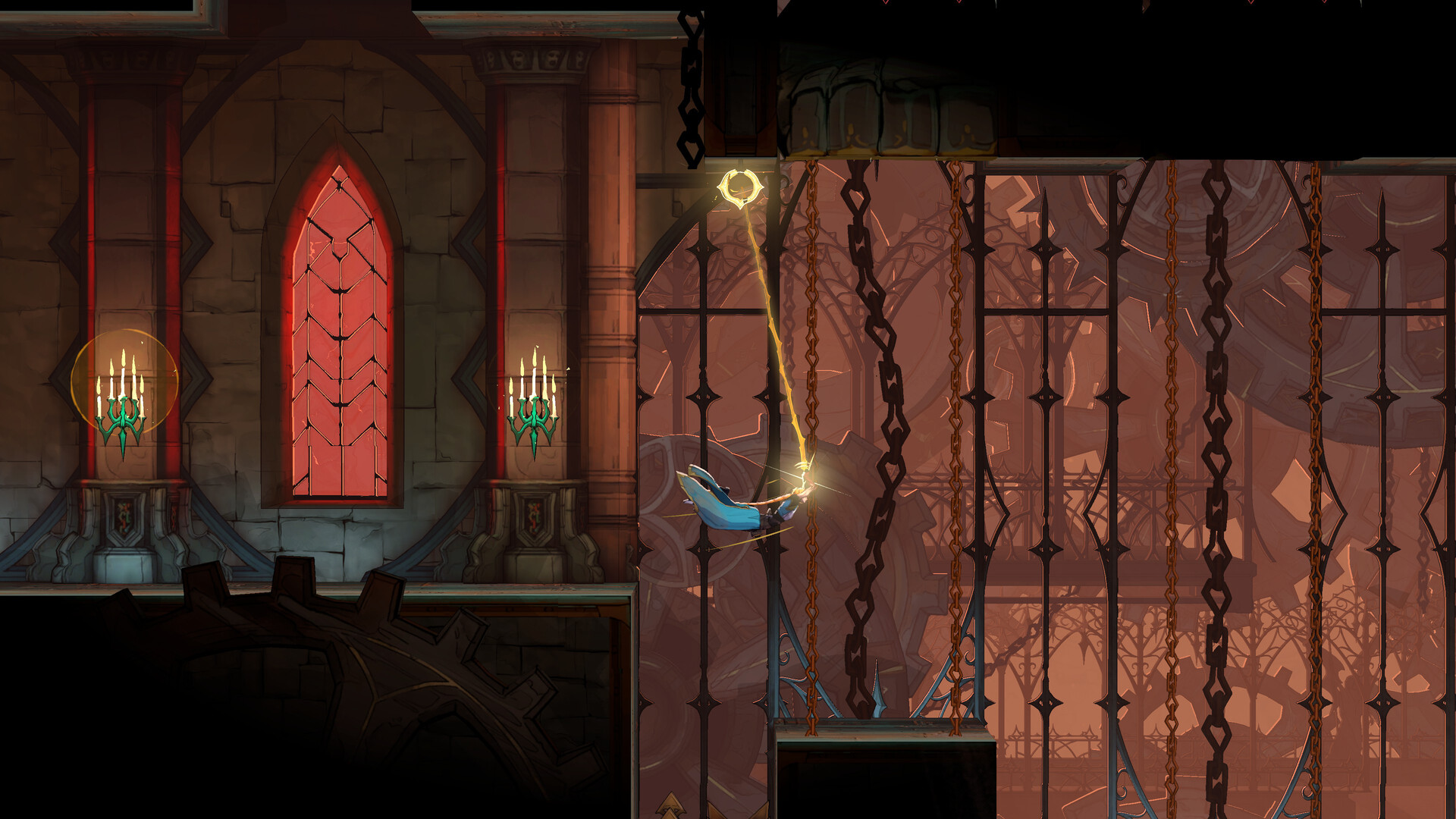
As you might expect from a game called Castlevania (at least since Symphony of the Night), the gameplay is a 2D maze of interconnected rooms and passages littered with enemies. You will come across a new skill or a new weapon that comes with the ability to traverse previously blocked rooms or unreachable areas. This, in turn, leads to being able to then reach them, much backtracking, and the discovery of yet more skills to do it again, and again. This series, along with Metroid, created the genre.
So does Belmont’s Curse do it well? For the most part, yes. Early discovery of the whip suddenly opens up the ability to swing and grapple, and therefore huge swathes of the map. Later, the skill to blast through the floor, for example, means you can now go back and search out all those yellow cracked flooring areas you had to pass up, and smash your way through.
While it does these things well enough, there have been some recent titles that may have done these things better. But not many. And coupled with all its other stellar production, it manages to be more than just its gameplay.
I found overall I was doing less backtracking than I might have expected, with progression to each new area seeming to be relatively linear. However, there were powers that had me trudging all the way back to the first parts of Paris all over again to find the treasures hidden behind new skills. More often than not, it was a treasure or relic you backtracked for, something to augment your combat abilities, rather than it being the route into the next area. In fact, more of the exploration played out like a Fromsoft souls title, ie finding your way through, and then opening up a shortcut back to a save point.
Perhaps that’s the best of two parallel gaming evolutions at once, but it wasn’t quite as satisfying as maybe Ori and the Will of the Wisps, or the recent Metroid Dread.
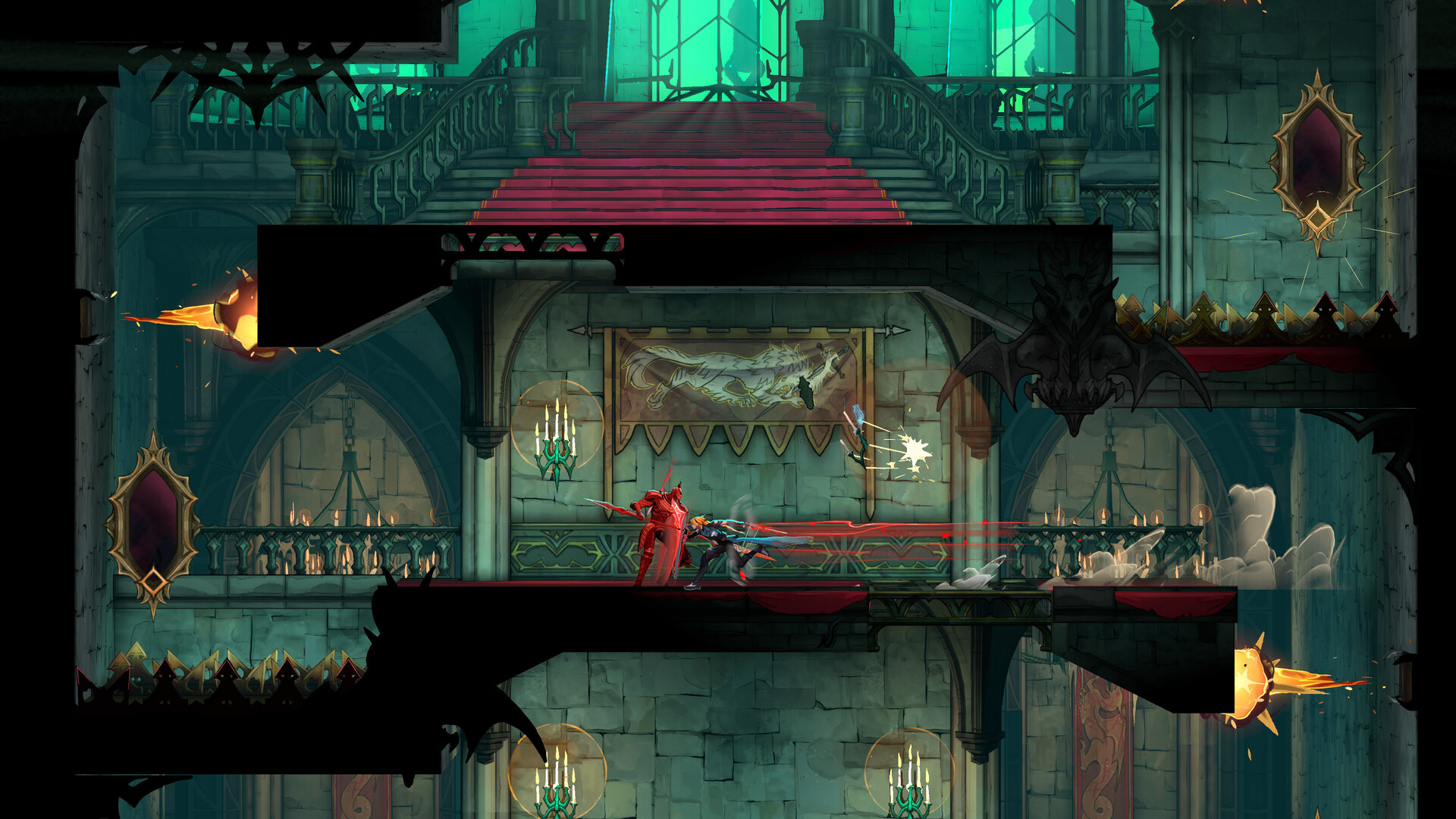
Combat in Castlevania: Belmont’s Curse has massively benefitted from the intervening decades. Where before 2014 the soulslike genre barely even existed outside Fromsoft’s own titles, a decade and change later we’ve had a whole gaming moment. Now many dozens of games have employed some variation of parrying, dodging, and builds to augment and hone combat systems. Belmont’s Curse learns from the intervening years since Dracula’s last resurrection.
Rose has access to 6 different weapon types to suit your playstyle; she can roll and dodge away from danger, and she can parry with a holy magic shield you get fairly early on. With only a few potions to keep her going between save rooms, and said save rooms bringing back the enemies you’ve previously killed, you can see the parallels to the soulslike.
Where it differs, it makes up for in crunchy, impactful encounters and tight controls. You don’t collect souls that you can lose, but you do collect experience from your defeated enemies. You don’t have a stamina bar. Belmont’s Curse takes the fastest precision parts of Dead Cells in particular and ratchets them up, creating a combat system that’s worlds away from the strange, often stilted, repetitive combat of the previous 2D Castlevanias. This is likely where it will feel the most different to series veterans, but also the most modern. I often found the older Castlevanias far more about placement and careful timing, edging your way through areas. This one feels much looser and more reactive, allowing for recovery after mistakes but also making the game flow nicely.
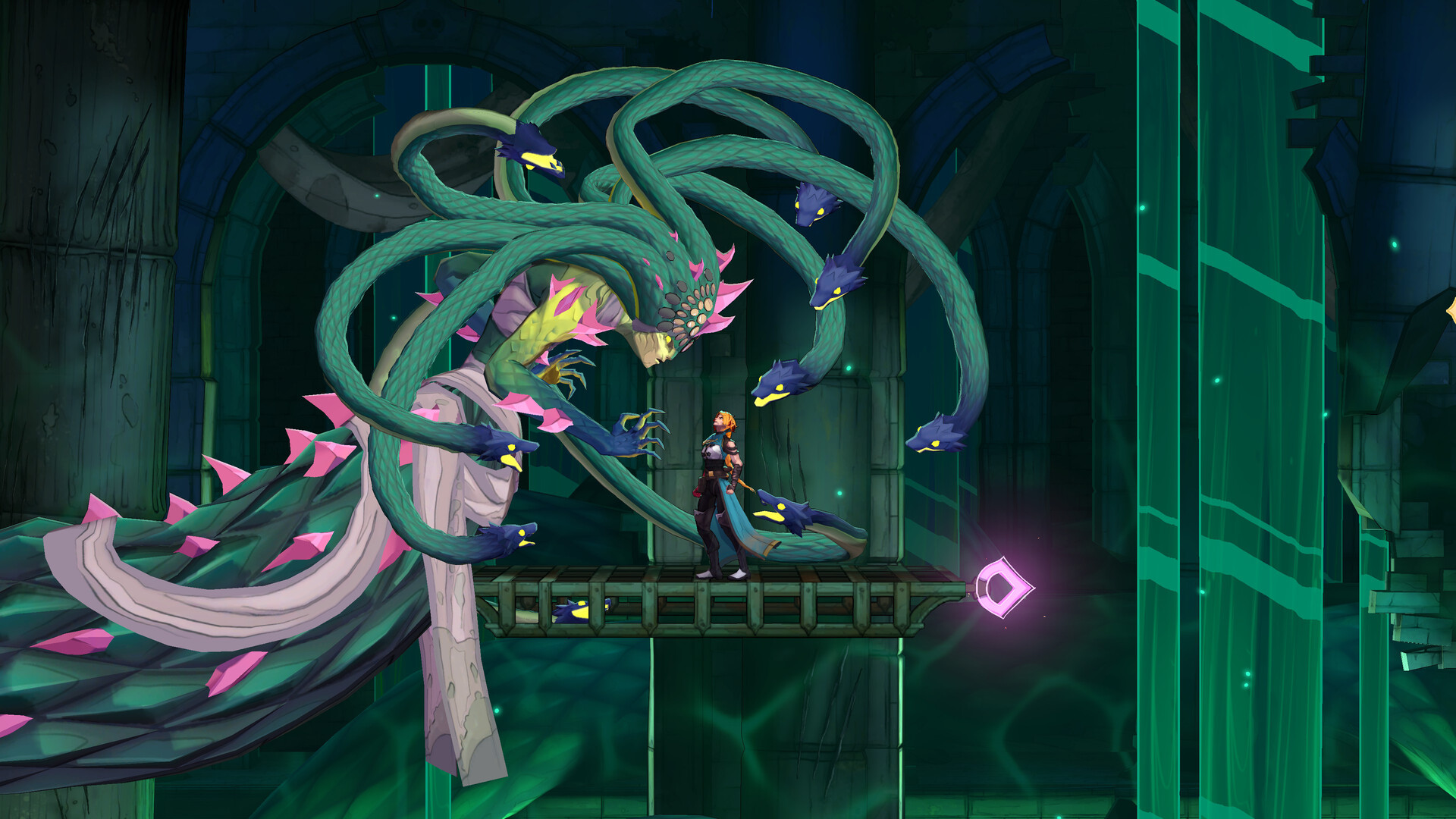
Castlevania: Belmont’s Curse has some areas that have been realised beautifully. The burning Paris streets in the background as you explore are a particular early treat, but they’re not alone. The Catacombs under the city, full of skulls and bones like the real equivalent, to the pinnacles of Dracula’s castle’s library and different wings – all have been depicted with care and a bit of stylistic flair. There’s something like actual atmosphere here – you know fires and smoke don’t really look like that, but they don’t half look effective.
This attention to style and detail extends to all the character designs, Rose especially, flowing around her weapons and moves in truly beautiful pixel art animation. The design of the castle, the art on the tarot cards, the wonderful loading screen that slowly fills with more and more detail as you discover more bosses, areas and parts of Castlevania itself; all are gorgeous.
This also extends to the music. Castlevania as a series has had a few very memorable tunes, but Belmont’s Curse has a fantastic soundtrack – there’s a combining of Phantom of the Opera-like organ, deep orchestra and gothic musical ideas, with modern beats, almost techno-style riffs, that make something really catchy and fun to listen to as you explore. I never got sick of the music, and upon backtracking through a well-known area, always found it nice to hear a favourite track again.
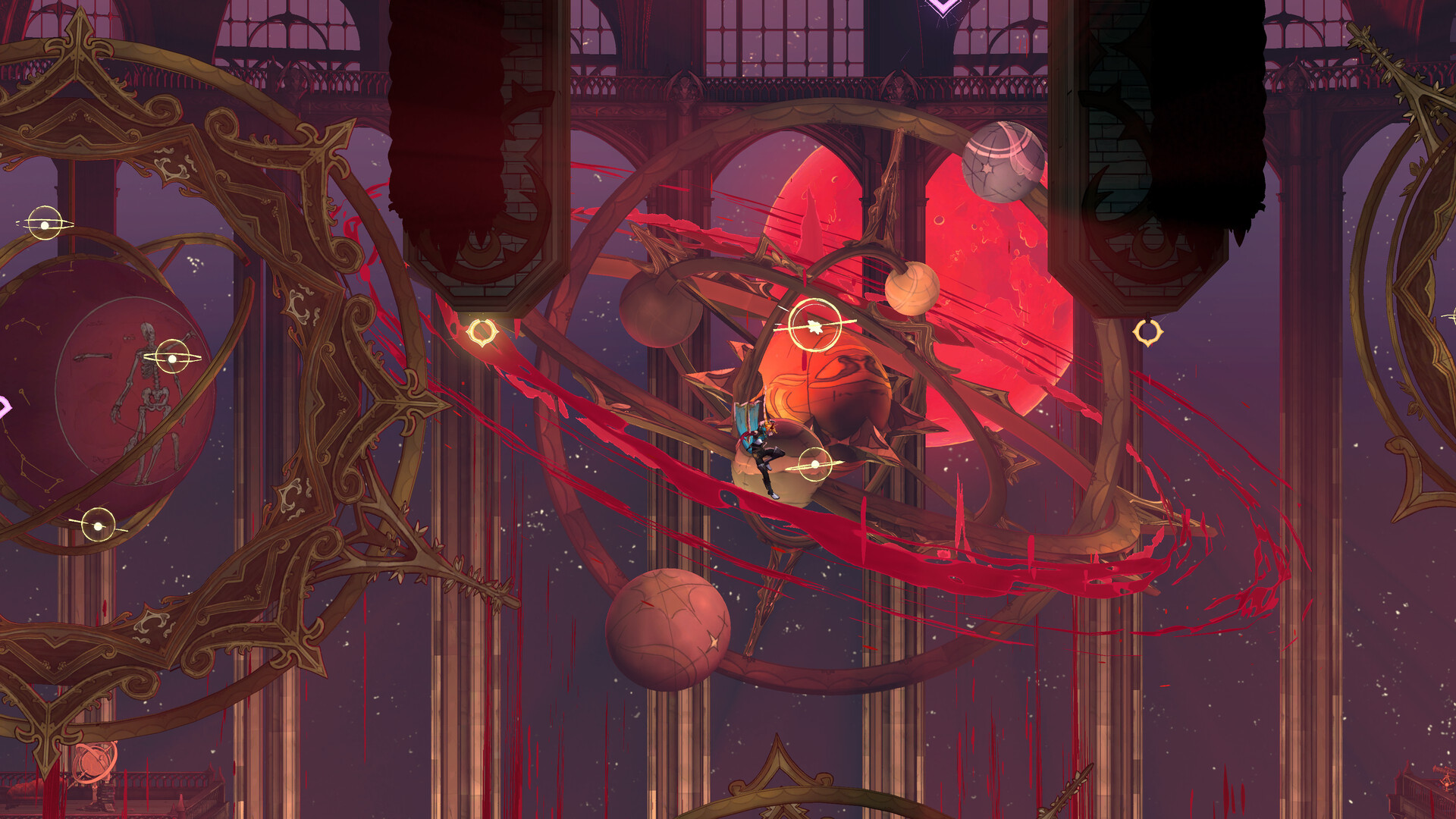
Much like Rose is the progeny of a famous namesake, so too is the game in which she stars. The DNA, or blood of Dead Cells and its satisfying 2D combat, is alive and flowing in Castlevania: Belmont’s Curse, and I’m glad of it. There’s a confidence about the metroidvania design and the map itself that speaks to major fans and honed skills working on the game.
While two decades is far far too long to wait between instalments of this great series, perhaps a certain amount of steeping was needed? A bit of consideration, the right team, the right developers and the right time. Castlevania: Belmont’s Curse manages to be the best 2D entry Castlevania has seen in even longer than that, because some of the later series entries weren’t the best. 2D Castlevania as a series has been chasing the pinnacle of Symphony of the Night for so long; it’s refreshing to see a new instalment try new things, incorporate new ideas and gaming advancements over such a long time frame. What had grown stagnant has been made fresh. Hmmm, like a vampire rising from the dead, perhaps?
Castlevania: Belmont’s Curse is out now on Nintendo Switch (reviewed on Switch 2), PlayStation 5, Xbox Series X/S and PC via Steam.
Developer: Evil Empire, Motion Twin
Publisher: Konami
Disclaimer: In order to complete this review, we were provided with a promotional copy of the game. For our full review policy, please go here.
If you enjoyed this article or any more of our content, please consider our Patreon.
Make sure to follow Finger Guns on our social channels –Twitter, Facebook, Twitch, Spotify or Apple Podcasts – to keep up to date on our news, reviews and features.