


I hope this hurts.
Mouthwashing is an exceptionally difficult game to review. Not because it’s bad – quite the opposite, in fact. But because it’s an intensely charged piece of art that holds a mirror to society, to people, and most impactfully, to us, as players. Not only does it pull no punches, it charges them up and unleashes them, one after the other, ripping through the player’s perceptions and biases, in a way that only the medium of video games could achieve this effectively.
I was discomforted throughout, and for someone who plays so many games, often times with a sense of autopilot, that’s a rare feeling. It’s a psychological horror game that doesn’t need jump scares or cheap tricks, merely the opportunity to shine a light on themes that are otherwise so taboo or repulsive to everyday functioning that the majority would rather shy away from it altogether. If you think this sounds hyperbolic, perhaps that’s part of exactly why Mouthwashing is so poignant.
It’s also a game that’s been around for two years now, thanks to its PC release in 2024. Now ported to console, it feels more relevant than ever, and it’s certainly left an impactful mark on me.
Ain’t Enough Mouthwash In The Universe
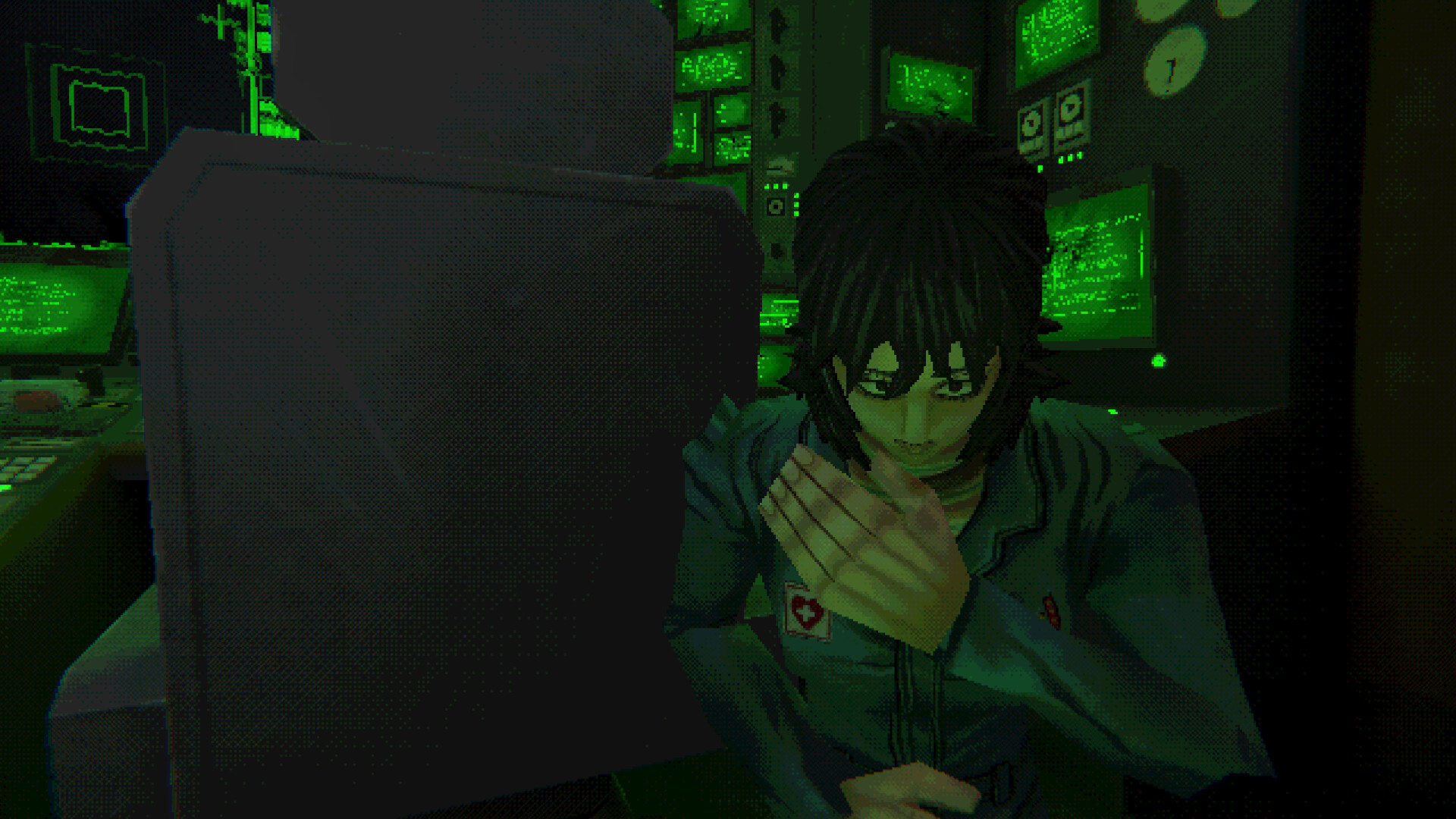
Mouthwashing takes place on board the Tulpar, a rickety, ageing space freighter, managed by its 5-person strong crew. It’s a tiny, cramped, corporate-stained shell of industrial hallways and limited spaces. The perspective shifts between the ship’s main captain, Curly, from before the opening disaster, and Jimmy, the co-pilot turned captain following said disaster. The dynamics between the crew members are front and centre from the off, and discovering their personalities is immediately compelling.
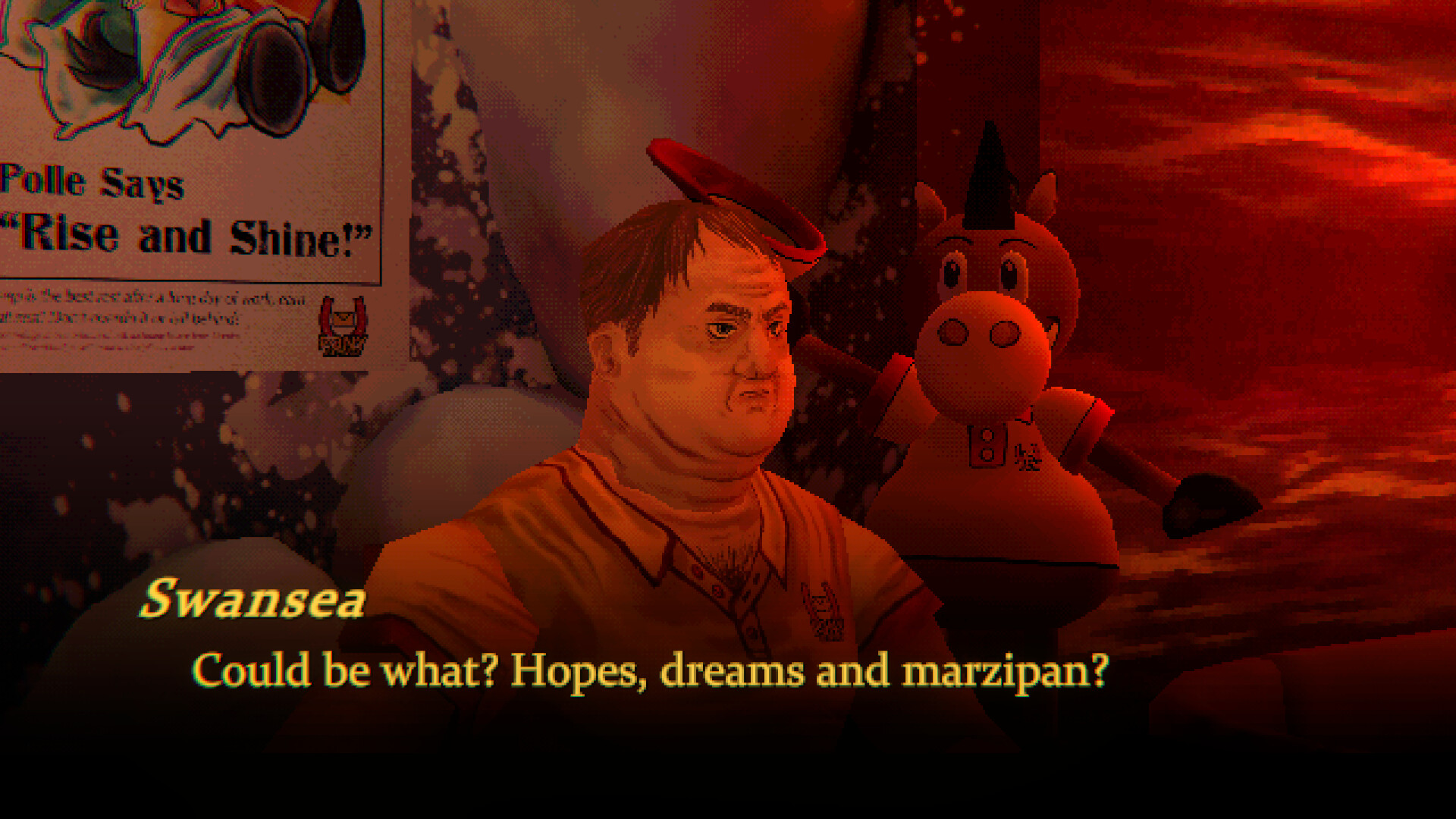
Anya is the ship’s nurse and source of grounded knowledge, Swansea is its gruff, brusque mechanic, and Daisuke is its source of youthful cheer and optimism (and an overly joyful protégé to Swansea). From the get-go, you’re thrust into the immediate disaster, with the ship manually set on a collision course with an asteroid. Each chapter then plays out in disjointed sequence in the days leading up to that moment, and the months proceeding it.
The core mystery of uncovering how these events came to pass is superbly written. I was having to constantly remind myself of where in the timeline I was, due to the back-and-forth nature of the structure. Moreover, each character is given just enough distinct personality to make them unique, without requiring hours of dialogue. It’s an incredibly bleak and depressing narrative to experience, but one that’s chock full of quality, thanks to its characters and setting.
Swilling Around In The Filth
Really, though, Mouthwashing isn’t about the space venturing or the mystery, it’s about people. More specifically, about the nature of power, authority and accountability amongst people. The game is hyperfixated on a multitude of themes, but none more so than responsibility. You learn very quickly that not all is right amongst the crew, and some heinous situations have occurred. Mouthwashing marries this dark storytelling with its environmental design in such a rich fashion – many other titles could benefit from taking lessons.
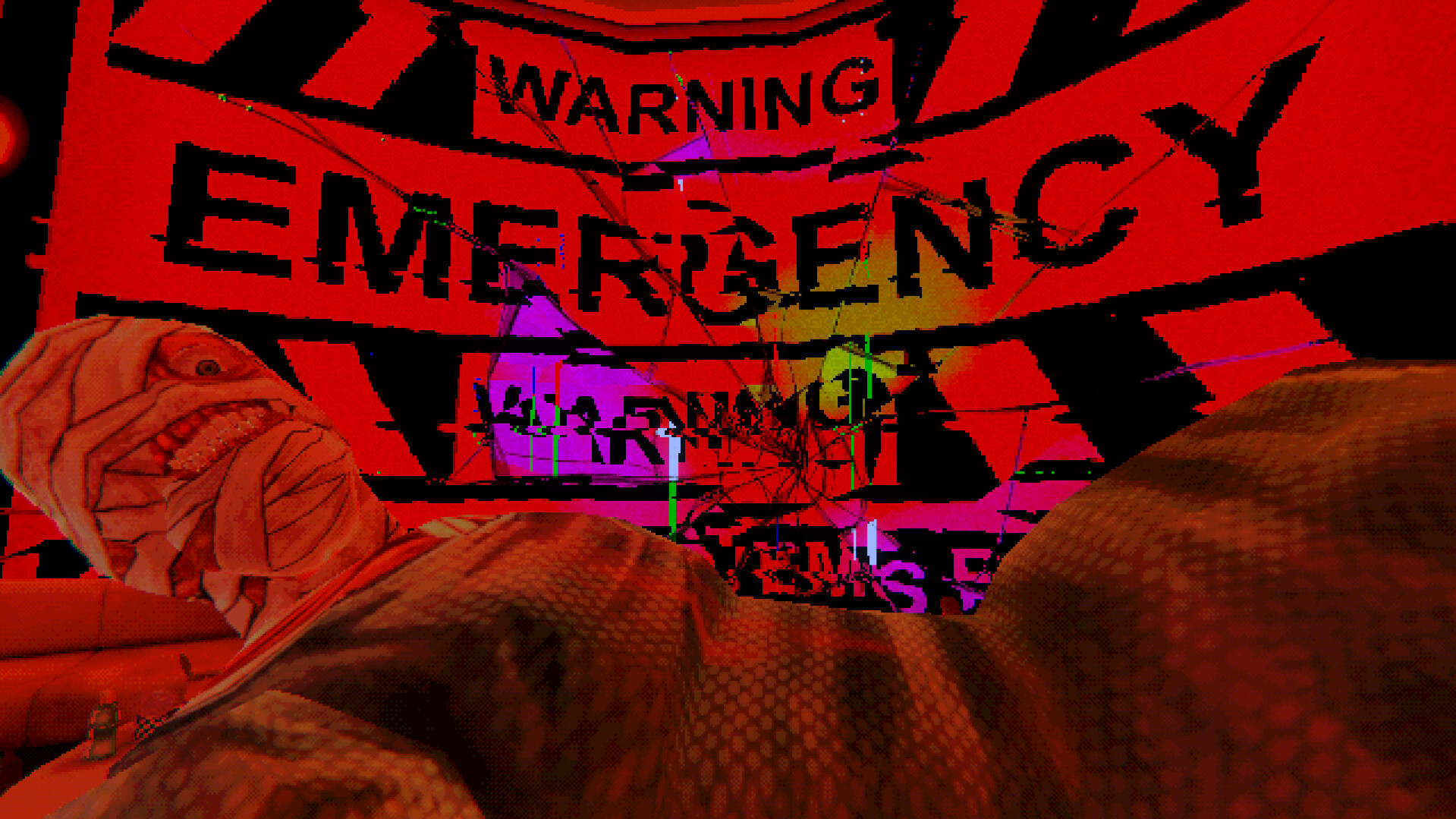
When faced with disaster, and the ship falling into further disrepair, Jimmy attempts to gain control and keep the crew alive, by any means necessary. To that end, a quadriplegic Curly is kept in agonising form in the medbay, unable to move, speak, or act in any form of his own volition, forced simply to watch with one eye and writhe around in pain until forcibly provided his medication by yours truly.
Curly is the focal point of the game’s marketing, and one of the most terrifying elements of the game’s story. He’s trapped in his body, subjected to the whims of a hateful Jimmy, while the crew are trapped on the ship, with little hope for survival. The fact that Curly isn’t the most horrifying situation you’ll uncover is testament to how committed developers Wrong Organ are to exploring challenging material.
No Washing Your Hands Of This
One of Mouthwashing’s most important story elements is its exploration of sexual assault, exploitation and power dynamics. I won’t speak of the actual story details, because I genuinely believe this game should be experienced by each individual to gain the most from it. However, while it has a clear and distinct antagonist in its story, it’s the way in which it stands neutrality and unwillingness to take action front-and-centre that truly lands its most impactful blows.
While Mouthwashing has a lot to say about the perpetrator, it has far more to say about those who unknowingly empower and platform those who abuse positions of authority. Hearing someone question why locks exist in medical facilities but not in sleeping quarters is such a small but immeasurably poignant piece of dialogue and writing I couldn’t help but sit and have to reflect on it. That’s the power of this narrative – its ability to pierce through discourse with a razor-sharp efficiency.
I came away from Mouthwashing far more introspective about its ideas and themes than I have been before. It’s some of the best, most confronting thematic work I’ve come across in the medium. For that, Mouthwashing deserves so much praise, even if many might find its topics deeply painful, for a variety of reasons.
Take Responsibility
I’ve spoken at length about Mouthwashing’s story, largely because it’s the most important pillar of what I expect many players have, and will, take from it. However, it is also a game, one which relies on traditional walking simulator gameplay, albeit with some slight changes in pace. Most of your time is spent walking through the Tulpar, interacting with the crew, or completing straightforward fetch quests or light puzzles.
There’s a red light/green light stealth sequence, a hunter/prey sequence and some light exploration for details and employee cards, for example, but most of the game focuses on enhancing the story. This is achieved either by having you navigate increasingly decaying environments, reflecting the crew’s dire circumstances, or through the environment acting as an allegory for the larger themes. You know, like walking through a red river with emergency warning signs and broken ladders all around.
The game is only 2-3 hours long, and therefore is content with keeping the gameplay relatively straightforward. In this case, it works in its favour by allowing the player to soak in the dystopian corporate location and haunting dream-like sequences. Nothing about the input of the controller will test you in any significant way, the developers have given the writing free rein to do that instead.

Course Correction
The PS1 graphical presentation similarly blends seamlessly into the thematic focus of the game. Curly’s injuries are enhanced in their awfulness thanks to the polygonal appearance of his eye, bloodied bandages and tortured limbs. The Tulpar lurches from blue-hued and hopeful in pre-crash scenes to devastatingly hopeless, caked in orange melancholy in post-crash scenes. Despite having no real facial expressions, the character animations emote with real craft, not least of all when Swansea is having a drunken dance in the crew area.
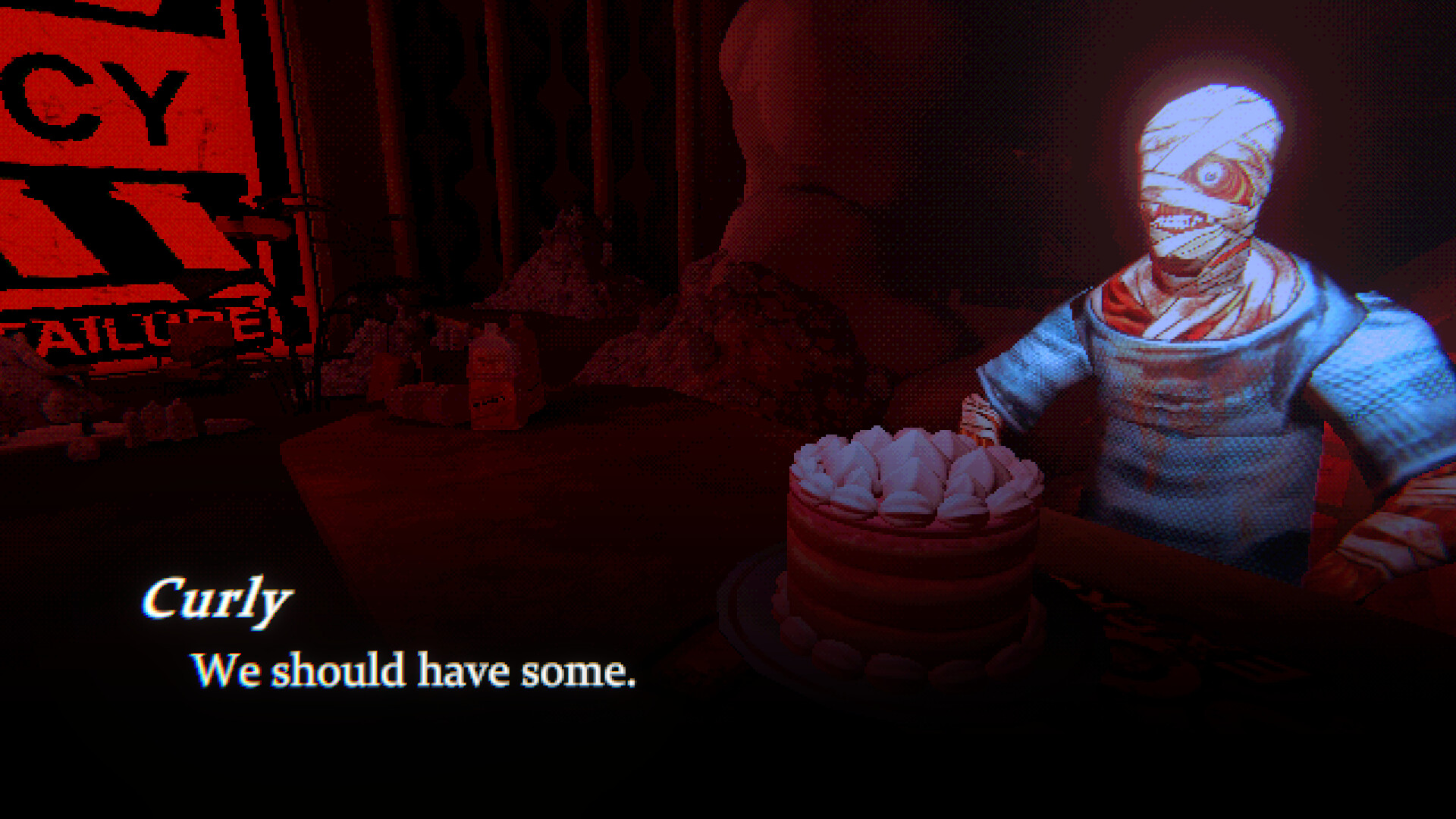
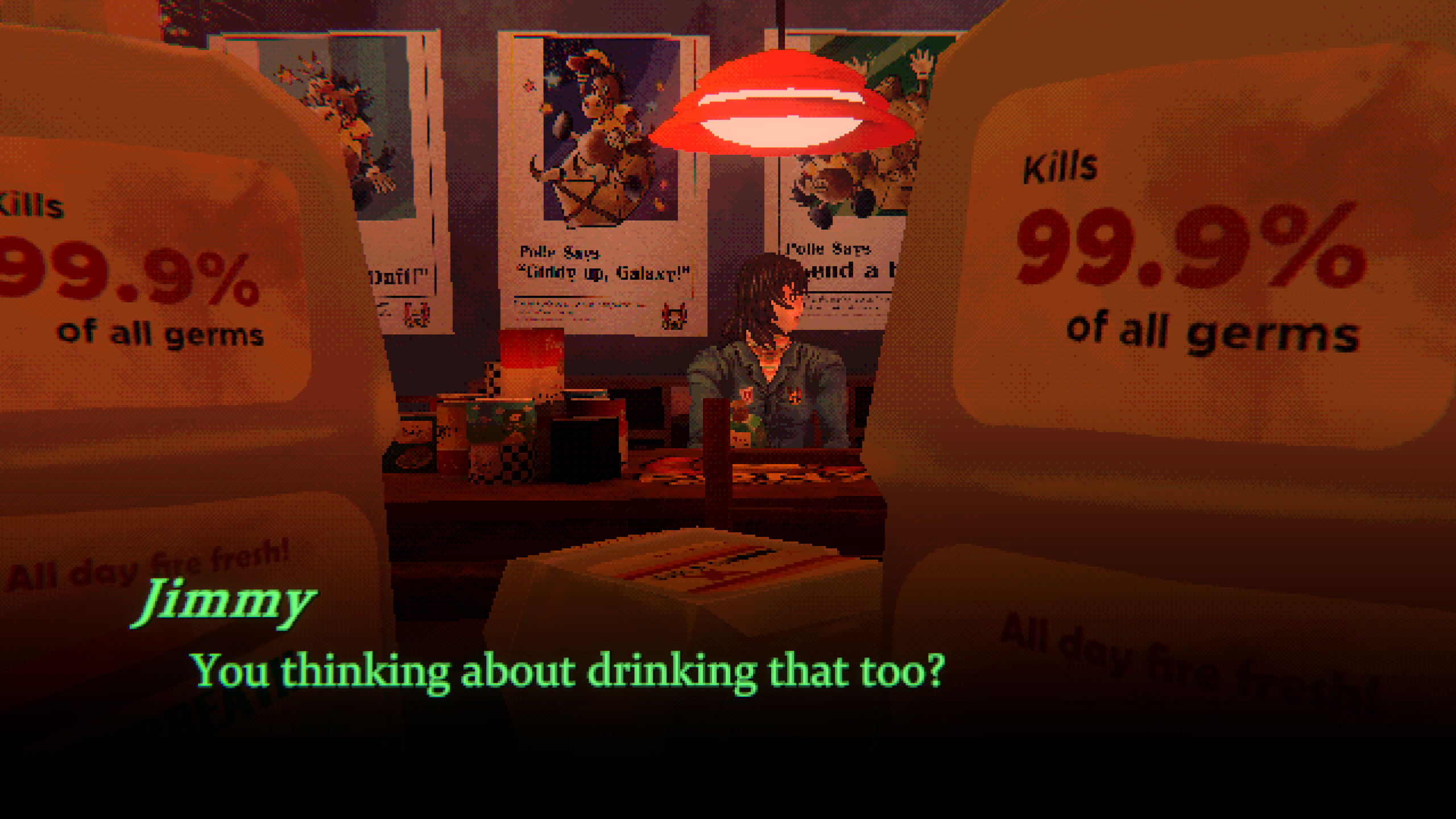
Mouthwashing is built with so much care and attention to detail, it’s hard not to become enveloped in its suffocating aura. The Pony Express company has littered the freighter with propaganda, and details like the captain being the only one with access to sweetener to make a cake enrich the sense of the place as you play. It’s remarkably good and is another key element that aids the success of its story.
The more disturbing, horror-focused sections further use creative means to dispel the comfort you may still be clinging to. In one chapter, an entire chunk of the medbay is distorted with a censoring-like lens effect. You’ll be trapped in endless hallways thanks to Pony Express’ mascot, Polle. Watch old-style cartoons elucidate on corporate capitalism. Mouthwashing isn’t content to disturb you through artificial scares – it’ll mess with your sense of perception too.
I Hope This Hurts
There are writers and creators who can do a far greater job than I ever can discussing and dissecting just how powerful this game’s themes are. However, I cannot emphasise enough that Mouthwashing is an experience that is designed to test you. The imagery is gruesome in places, and the backstories of these characters are harrowing in others. It’s a dark, depressing and bleak world that highlights the worst of humanity, but in the most saddeningly human way.
Despite this, I’d implore you to play it. Mouthwashing could only have existed as an indie title, and it’s one that not only deserves your time, but positively demands that you engage with it. Every now and then a video game comes along that leaves you changed from when you started it, and this is one of those for me. You may not like what it has to say, and I hope it hurts, you’ll be hard-pressed to find a more impactful title than this.
Mouthwashing is available October 29th on PlayStation 5 (review platform), PlayStation 4, Xbox Series X|S, Xbox One and Nintendo Switch. It is already available on PC via Steam.
Developer: Wrong Organ
Publisher: Critical Reflex
Disclaimer: In order to complete this review, we were provided with a promotional copy of the game. For our full review policy, please go here.
If you enjoyed this article or any more of our content, please consider our Patreon.
Make sure to follow Finger Guns on our social channels. Twitter, Facebook, Twitch, Spotify or Apple Podcasts – to keep up to date on our news, reviews and features.