

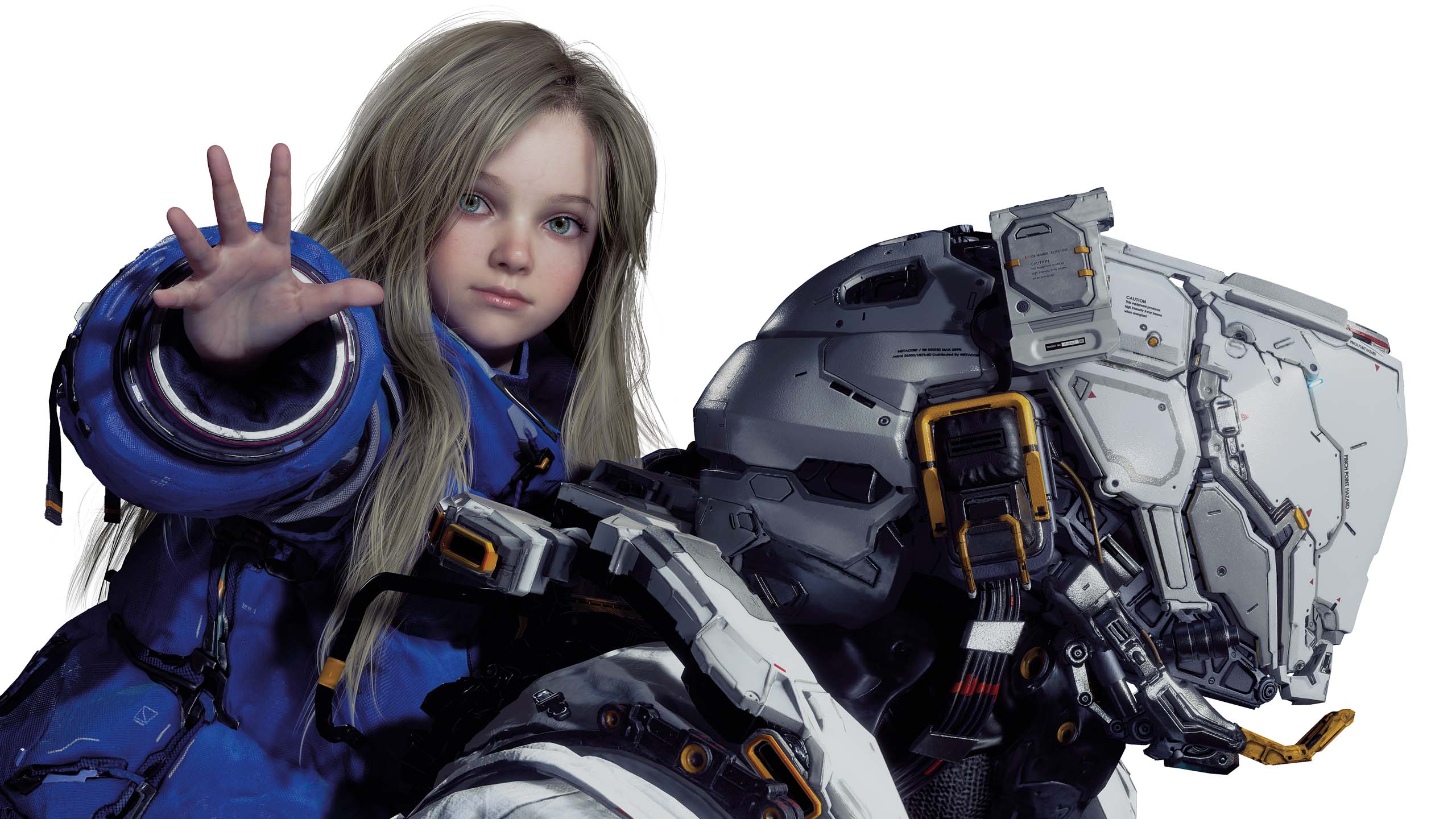
The term Pragmata is derived from the Greek term Πραγμα or “Pragma”, used to describe everything that exists, from objects, to deeds and acts, rooted within an objective substance that can be perceived with senses. I explain this now, as it’s the basis from which Pragmata derives all of its themes and concepts. Capcom’s latest outing is simultaneously a PS3/360 era styled third-person shooter, with a surprisingly deep emotional heart at its core.
When it was first announced in 2020, next to nothing was known about the game. It’s pre-release marketing generating more questions than answers. Does the myth and mystique manifest into a tangibly enjoyable video game that sticks the lunar landing? Hop on the shuttle and prepare for takeoff, we’re heading to the moon to find out.
Pragmatic Humanism
Much of the build up to Pragmata showpieced the atmospheric visuals, sci-fi gleaming environments and plenty of hacking and shooting. Of which, there is indeed, plenty. However, what most surprised me was that the core of this AI-driven tale, is filled to the brim with heart. The central duo, human Hugh and AI companion Diana, build a foundationally resonate relationship that explores the nature of personhood and machine with a real optimistic flair.
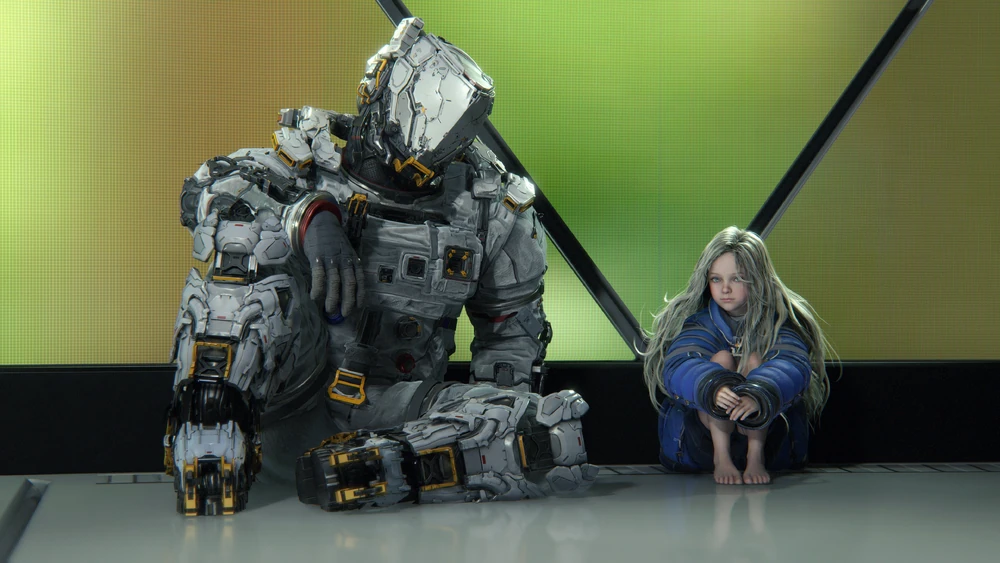
Hugh is an ever-present source of optimism, hope and determination, even if he is a rather “typical” archetype. Diana is a compelling combination of child-like curiousity and robotic matter-of-fact flip side of the same coin. What works most effectively, is that both characters bring out the most interesting and positive traits of the other. I found myself rooting for them both. I appreciated their back-and-forths, their learning from each other, and how Pragmata is content to keep them as the central focus.
While Pragmata’s exploration of a man and machine bond may not be revolutionary or daring, it has a genuine earnestness that’s difficult not to like. I’m sure some might find Diana’s voice grating, but that wasn’t my experience. I appreciate Capcom for sticking to a simple formula but executing it well. The conclusion is touching and I’ve come away from the story feeling a real sense of surprise at how much it struck a cord.
The Trouble With Corpos
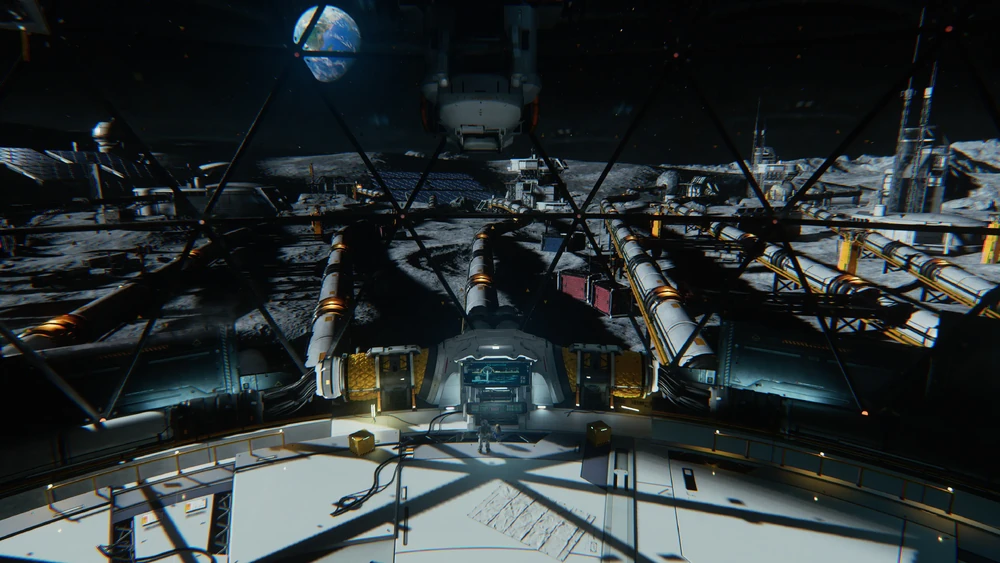
With so much emphasis of the game’s focus being on Hugh and Diana, there’s not a whole lot of scope to do a massive amount with the wider narrative. Hugh and Diana are both stationed on the moon, working for an expectantly dubious corporation that’s discovered Lunum, a material that can produce basically anything in an instant via Lunafilament. After a disaster blights the station, Hugh and Diana must team up to escape Earth’s smaller brother.
There are various datapads, boards and audio logs to listen to for a bit more exposition of the wider world, but it’s very straight-laced. If you’re looking for more than the central relationship to get stuck into the sci-fi world, you may struggle. I was very much content with having a narrower focus, as I tend to prefer those kinds of stories, but much of the wider story felt less engaging.
Throughout the story, you’ll be confronted by IDUS, the station’s AI program which has seemingly gone haywire and has turned the bots against all living things. Talk about a bad day at work. IDUS isn’t much of a villain in-and-of itself, but at least provides a solid context for the goings on of the game and the driving momentum for the story. Just don’t expect an antagonistic force on the same scale as a Resident Evil villain.
Hack-and-Smash
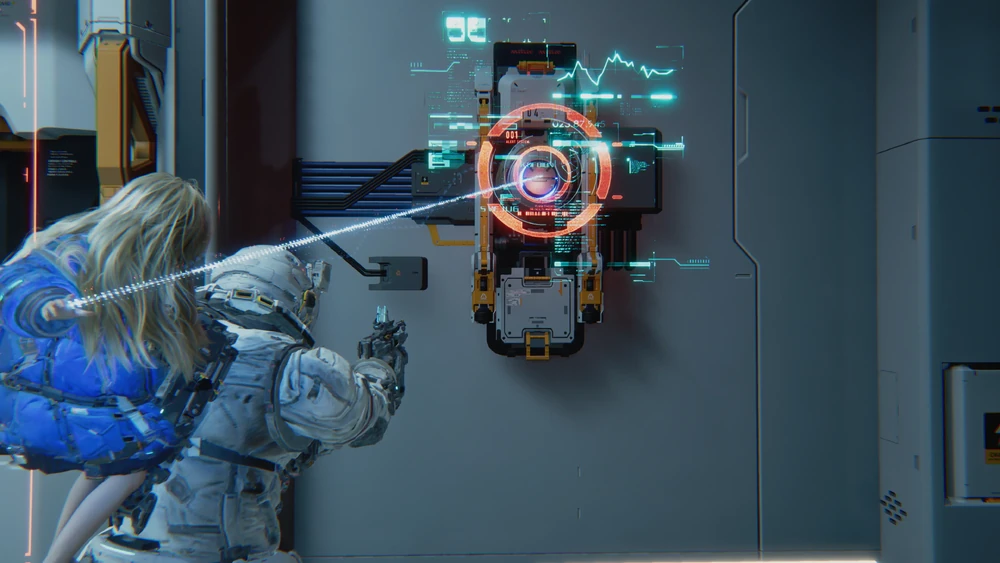
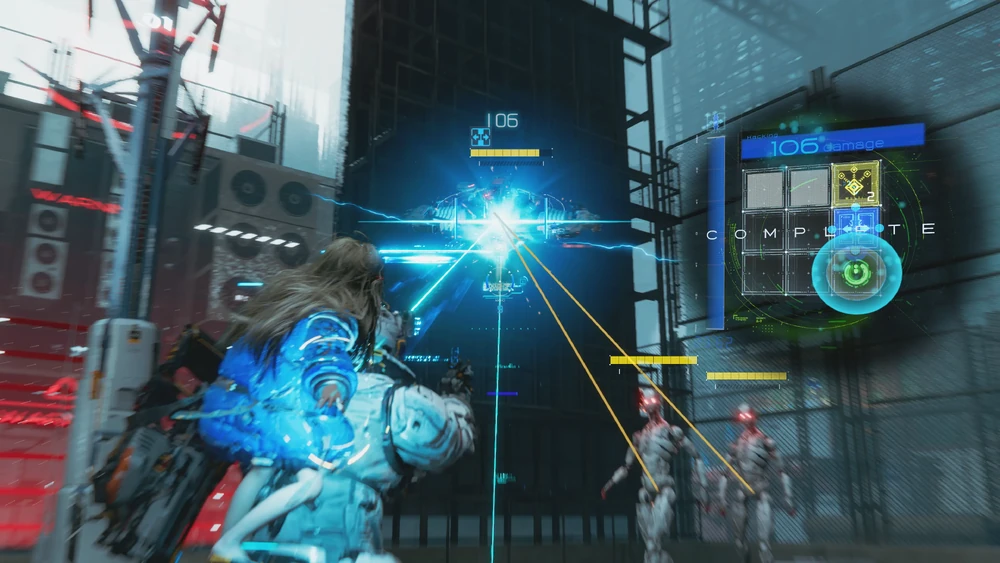
Speaking of IDUS’ bots, they’re rather dangerous. Luckily, Hugh and Diana are pretty well equipped to take them on. Combat in Pragmata is held up by two pillars: third-person shooting and a hacking minigame. In order to deal basically any damage to anything, Hugh needs Diana to first “open up” the machine threats to be able to lay on the pain.
The hacking minigame adds a layer of fun and tension to encounters. It takes time and focus to hit the relevant nodes that boost damage or add buffs, while also avoiding failure tiles, and constructing a path to the goal point. As the game progresses, hacking can become more challenging, with more barriers to overcome. However, you also acquire mods and abilities to meet these challenges, creating a rewarding feedback loop.
I definitely found myself struggling in particularly intensive battles to manage both the robots launching missiles and swords at my face, while also attempting to pivot through a tricky hacking grid. It’s cumbersome in places for sure, but I think the mechanic overall is a good one. Stacking up mods and damage-dealing buffs effectively can melt even boss encounters, while failing to engage with it means you’ll suffer agonisingly.
What a Hugh Mess
Hugh himself is a pretty capable combatant, thanks to his suit’s abilities and arsenal of weapons. You can equip up to six at a time, but split into four categories. Hugh can dodge using thrusters, heal with cannisters, and mete out destruction with satisfying, punchy gunfire. The primary focus here is to target weakpoints after a hack, building up an enemies’ heat gauge to stagger them for a massive hit, or to buy time for the next hack to be available.
Combat encounters are chaotic, with multiple foes vying for the chance to sever your limbs from your body. I was constantly dodging around, splitting between hacking and firing, and using every tool at my disposal. The categories of weapons are all essential and ammo limits are low, incentivising creative play. I came to really click with the combat and once I found my setup, the sandbox really opened up. Pragmata will put you through your paces, but on standard at least, it’s very manageable.
Hugh himself though, can handle very similarly to a forklift when trying to be precise. Platforming is minimal, but can be a pain when exploring for collectibles, or in specific training missions that are traversal orientated. Sometimes he turns like a T-Rex, other times he slides right off a platform for no observable reason. It’s only an issue in tighter areas or in sections with numerous pitfalls, thankfully, but it did irritate me on more than a few occasions.
A Bygone Era
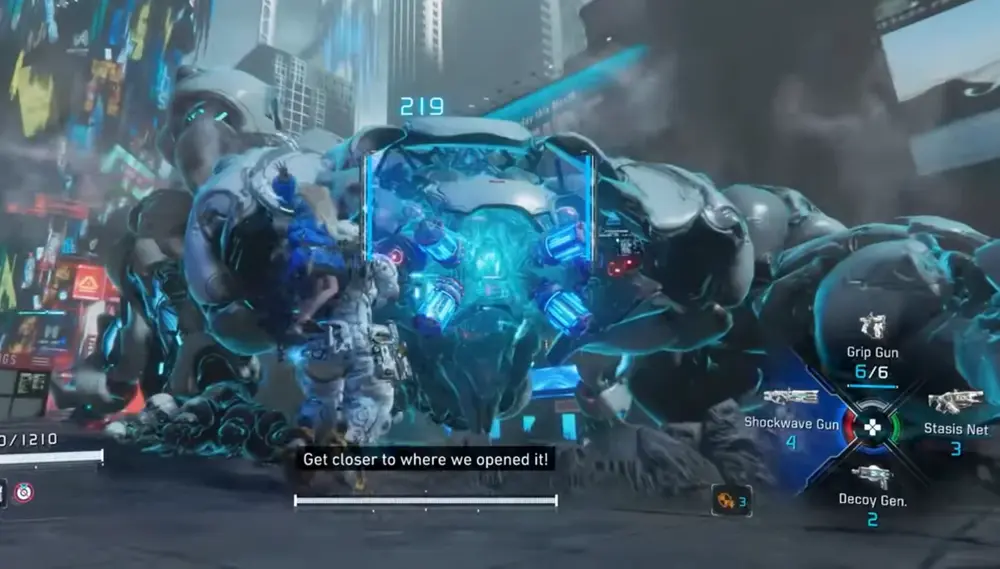
Almost all of what I’ve discussed so far tied into my overriding feeling towards Pragmata – it’s a relic of a game, born probably two decades after its kin. I say this in a complimentary way, in that it’s got that PS3/360 aura of quirky fun. Between combat encounters, you’re fishing out collectible items to upgrade your weapons and suit, digging up REM items to customise the Shelter (your central hub) for Diana to mess around with, and unlocking checkpoints to travel back-and-forth between.
The upgrade system especially is just awesome fun. Every hack module can be improved significantly, weapons are constantly seeing massive buffs, and Hugh’s abilities are ever-expanding. Each time you reach a checkpoint, you’ll have an abundance of resources to head back and beef yourself up with. It all ties into a thoroughly enjoyable structure, one that made me excited to find hidden walls with loot or to figure out how to reach that one Safe Box lurking in a locked away area.
At the Shelter, you’ll unlock various holograms that Diana will joyfully play with. You can have further dialogue with her, play hide-and-seek, or go into training missions for rewards. There’s an abundance of content, and seeing the Shelter come to life over the course of the game is great. Plus, there’s a bunch of cosmetics to unlock, remember how those used to just be in the game as standard? Pragmata brought back some of that nostalgic wanderlust from a bygone era.
Lunar Flare
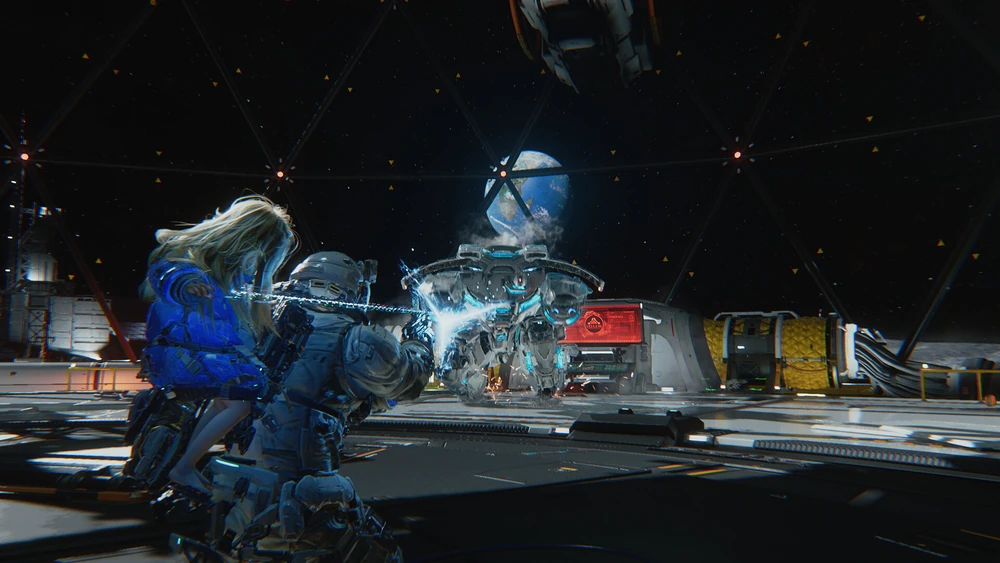
What’s not a relic of a bygone era is the RE Engine, which continues to produce rather glorious looking visual specimens. The station is separated into 6 distinct levels or areas, including a biodiverse greenary area, an unsettling, disquieted series of tunnels in the mines, and some stunning vistas with Earth as its centerpiece. Space always has a certain beauty, but Pragmata really captures its vast qualities.
So too, does the level design and sci-fi aesthetics. Hugh’s various suits are awesome, riddled with details and animations. The same applies to combat effects, explosions and environmental damage, all of it rendered in gorgeous detail and with barely a blip on performance at any time. While sterile corridors and interiors can become slightly repetitive, it’s hard not to gawk at the moon’s version of neon-soaked New York when you first witness it.
There are a couple of indiscretions on the visuals front however. Mainly, I noticed an abundance of lip-syncing anomalies, particularly when dialogue is delivered in-engine and not in cutscene. It’s fairly distracting when in the shelter and trying to focus on an emotive line. Things can also become rather cluttered when in intensive firefights, making it difficult to compute all the audio-visual information at once. Other than these minor hiccups though, Pragmata looks and plays wonderfully well.
A Question of Pragmatism
Despite it’s other-worldly facing front, Pragmata is fundamentally a grounded game, both in theme and design. It’s a story more concerned with its two central leads and their relationship than it is high-brow deconstruction of corporate capitalism. Moreover, it’s an old-school action game that wants you to feel empowered with an ever-expanding and improving arsenal and tools to overcome it.
It gave me a sense of déjà vu from a time when games were focused on fun. Sure, it has its own flavourful components in its hacking minigame and moon-based environment, but it emanates that 2010s energy in almost every part of its design. After finishing the story, you’ll unlock new trials to complete, New Game +, more cosmetics and even a new weapon or two. Pragmata is an ode to arcadey video games that had a laser tight focus, and I’m all here for it.
Will it sit atop the pantheon of Capcom’s finest work? Likely not, but not every game needs to be a generational masterpiece to make a fantastic impression and leave you with a sense of fulfilment. Pragmata lives up its name by being entirely driven on your connection to it, and being content with achieving that.
Pragmata is available April 24th for PlayStation 5 (review platform), Xbox Series X|S, Nintendo Switch 2 and PC.
Developer: Capcom
Publisher: Capcom
Disclaimer: In order to complete this review, we were provided with a promotional copy of the game. For our full review policy, please go here.
If you enjoyed this article or any more of our content, please consider our Patreon.
Make sure to follow Finger Guns on our social channels –Twitter, Facebook, Twitch, Spotify or Apple Podcasts – to keep up to date on our news, reviews and features.