

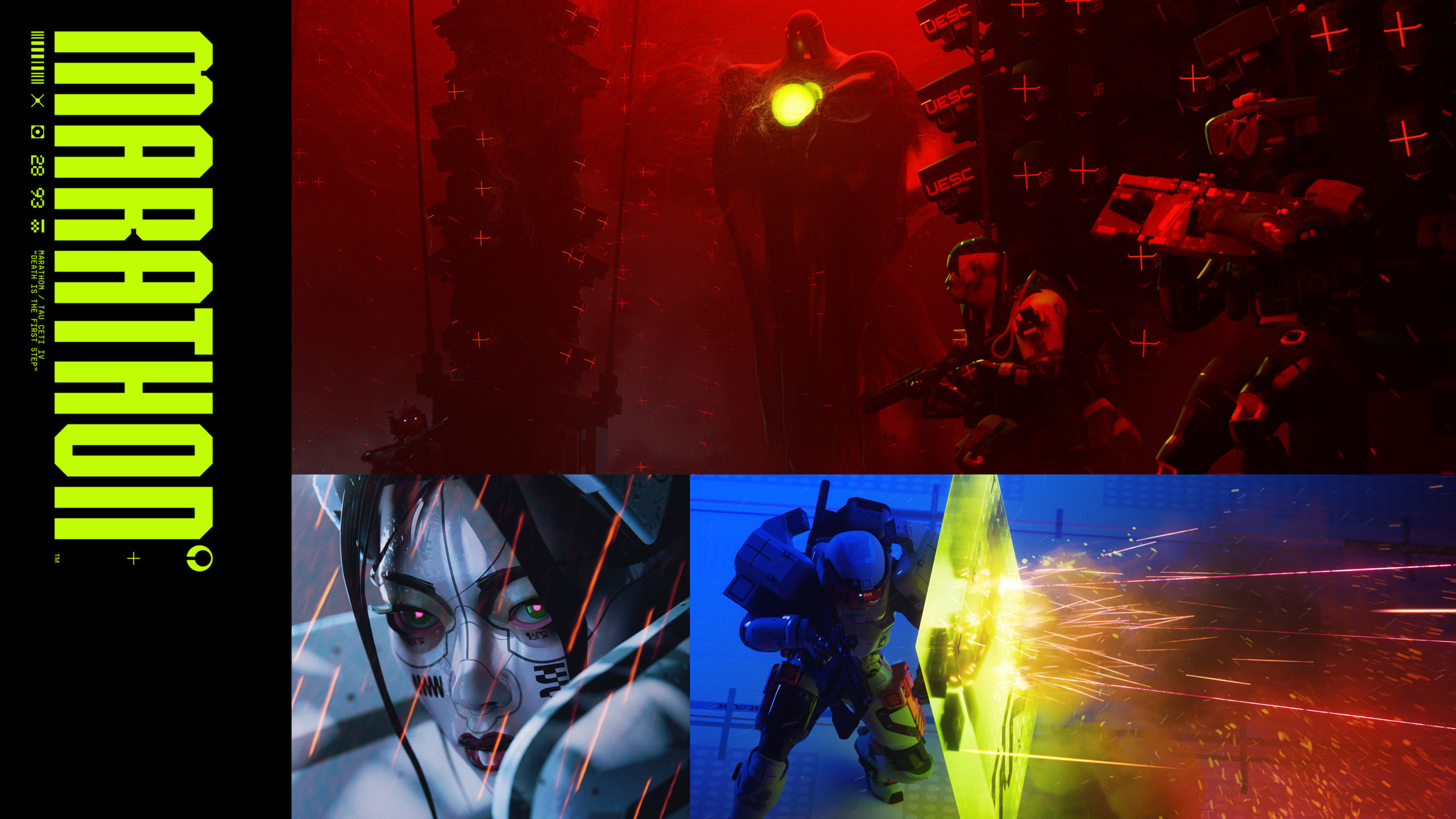
It’s nothing new that live service games live and die by their player base. In just over a year, we’ve had two high-profile games affected by the latter of the proposed make-or-break expectations, as a result of studios trying to develop a monetised ecosystem. Funnily enough, this is not the first time a Sony-owned studio has put out a game like this. The misunderstood, and could’ve-been-amazing Concord was shut down in just two weeks, due to its abysmal player count at launch. Now it’s Bungie taking the pole position with their latest live service extraction shooter, Marathon.
Marathon is described as a PvPvE survival extraction FPS. At face value, it’s a long-winded description, but in practice – after having hands-on with the game for almost a month at this point – it only barely begins to describe what Marathon really is. Sean on the Finger Guns team aptly compared Marathon to a roguelike, and in certain playstyles, it’s a succinct summary.
However, that was early doors when the whole playerbase was getting their sea legs. For the first week, everyone was figuring things out communally, whilst facing a harsh playable environment. At the time of this review, I’ve potentially had my fill with Marathon, unless there are some casual-friendly adjustments to cater to the employed or otherwise occupied. Where Arc Raiders players found community in taking on the AI robots that roam the surface, Marathon players are paranoid, trigger-happy and about as cold and despondent as the planet of Tau Ceti IV – the arena for this game.
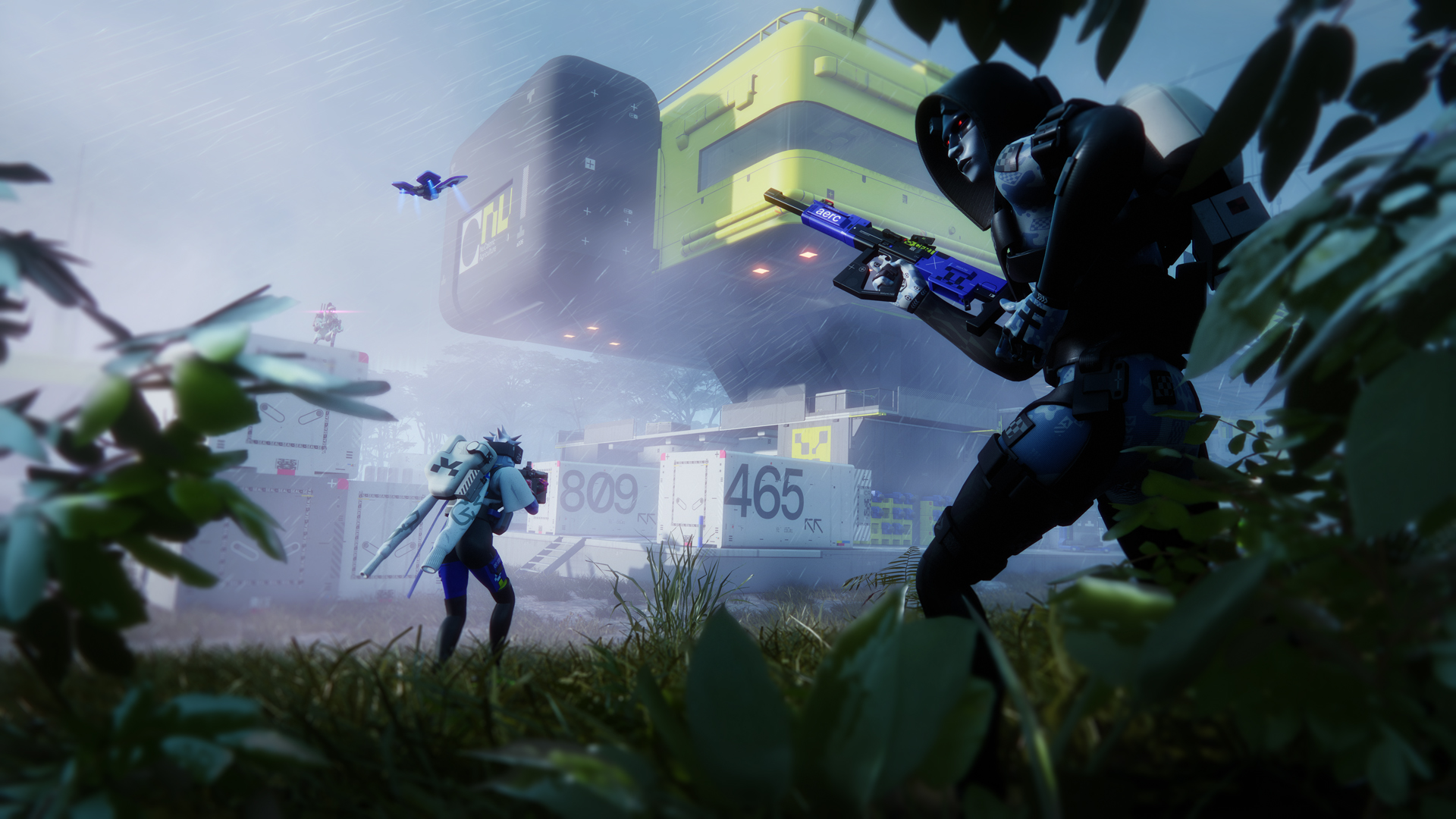
This is all intentional, though. Map sizes are small to create PvP skirmishes, gear fear is minimised with unlimited “free” loadouts to get players back in the action, and the lack of personality in the seven classes (Shells), but emphasis on playstyle dissociates your demise, making it feel transactional. It’s just business on Tau Ceti IV, you kill and exfil or die trying – there is no in between; except for this review for Marathon, describing the good, the bad and the ugly of the PvPvE FPS.
Colonists aboard the UESC Marathon charted Tau Ceti IV in search of a new Earth. That was a century ago, however, and in that time, human life has either died or disappeared. All that remains are the monolithic husks of megacorps staking their claim with laboratories, depots and resource facilities. Those megacorps – who act as factions in the game – have all felt there’s money left on the table if they don’t salvage what’s left on Tau Ceti IV.
In comes the Runners; humanoid shells with only consciousnesses piloting them like mechs, to plunder the planet for what it’s worth. You play as one of those Runners, navigating your way through the various factions to do their bidding. It’s the perfect structure to set up the many times you’re going to die, often at the hands of other Runners. As well as making narrative sense for its survival extraction framework. The basic gameplay of Marathon is to loot what you can, kill who you need to and get out whilst you’re still intact. Failing to exfil and leave successfully means you’ll lose everything you have on you. Thankfully, you’re not usually on your own in these expeditions, as the recommended way to play is in a team of three.
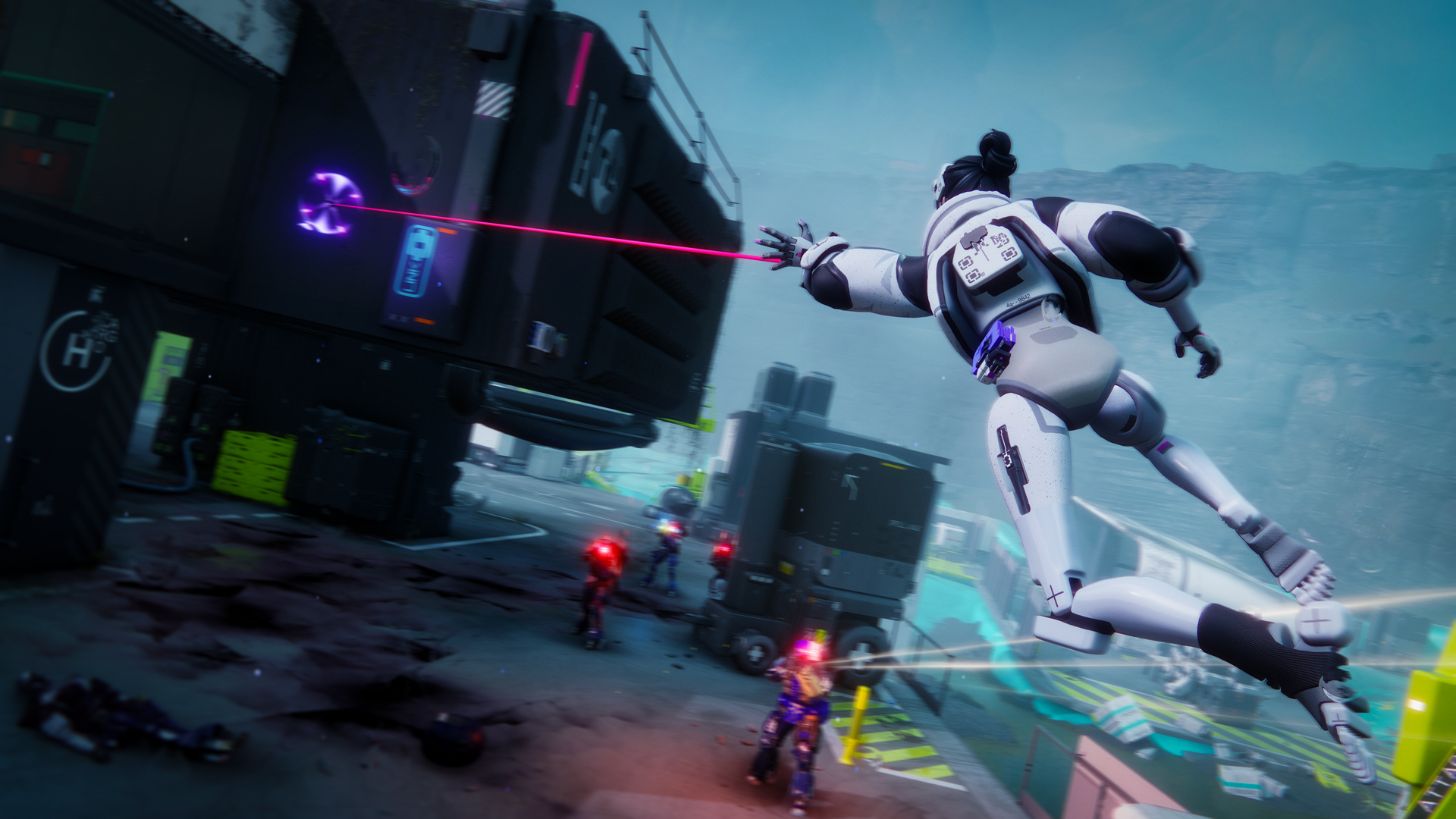
Every Shell you play as comes with their own active and passive abilities. For example, Vandal is focused on traversal and violence. It’s the only Shell with a double jump and boosted slide, as well as the ability to fire what I can only describe as a kamehameha. Triage, on the other hand, is the designated healer who can deploy drones to follow allies and heal them, as well as instantly revive them from a fair distance with their ultimate ability. No one Shell supercedes the other, as they’re all finetuned to their own strengths and weaknesses.
It does an excellent job of providing different play styles depending on how you want to approach each match. I started with the Assassin, as they can deploy an invisibility cloak and smoke, which was great when trying to evade or flank other Runners, or the other lethal threat, the UESC militia. When you’re not checking every angle for other enemy players, you’re avoiding or engaging in combat with the game’s AI. These are lethal robots that can be devastating to your resources and health if you don’t play as a coordinated unit.
It’s fair to say that Marathon brings a brutal playground to play in. This is exacerbated by a bad onboarding process. After learning the bare bones of the game through the tutorial, you’re left to figure everything out for yourself. There’s a plethora of mechanics, systems and items/valuables that you just have to learn through doing. It’s a steep learning curve, and one that could put players off if they were looking for something a little more casual.
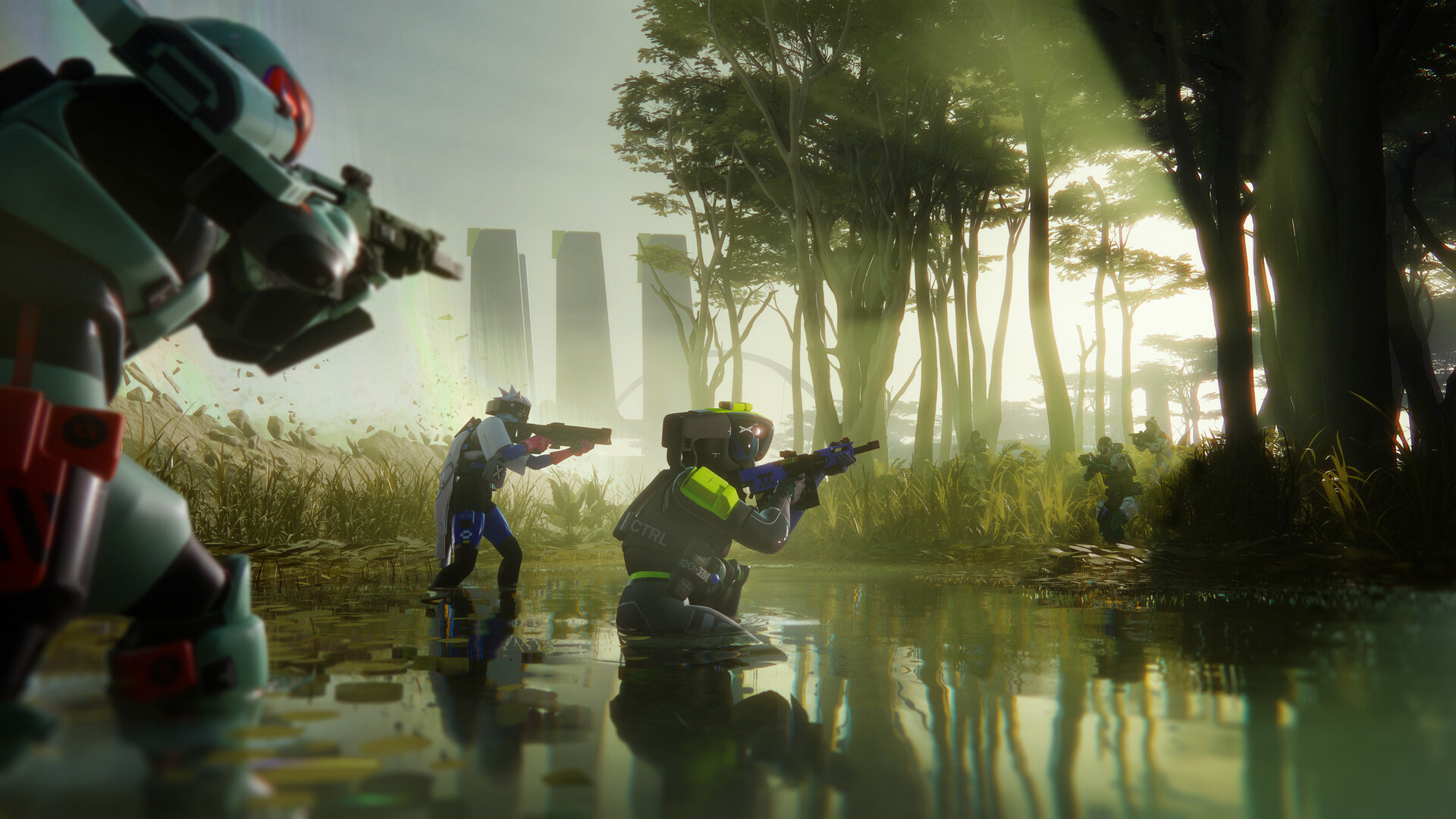
I stuck with it, not through obligation to put out a review – although that too – but because Marathon had so many factors that were engaging to be amongst. Firstly, the gunplay is the same premium level of quality that Bungie consistently puts out. No matter what subgenre the studio tackles, they’re one of the best to do it, with Marathon being no different. Weapons are diverse, with an amazing sense of feedback. The elasticity of each weapon is brilliant, too. You’ll salvage attachments for your guns, which enhances their gameplay capabilities, creating even more avenues to express your playstyle.
Doing so adds to the high-wire act of going out on these expeditions, as you may have found the loadout for you, but it could disappear at any moment if you die. There’s an intensity to every match that’s seldom hard to find in a more pick-up-and-play FPS. It makes every engagement intentional, anxiety-inducing, but euphoric if you’re the one coming out on top. There’s no game matching Marathon’s simple sophistication to the art of gunplay.
Then you have the worldbuilding. Another staple of Bungie’s ability to flesh out sci-fi worlds with such rich breadth. You’re given just enough lore and cutscenes to pique your interest, then you’re free to get lost in codex entries and audio logs. It’s a world that already feels lived in, with your gameplay acting as a continuation of the lore tapestry. This also applies to the game’s visuals. The saturated and minimalistic design of various megacorps imprints contrasted against the planet’s more natural habitat is a marvel. Marathon has this consistent, glitchy military cyberpunk UI that complements the unadorned world.
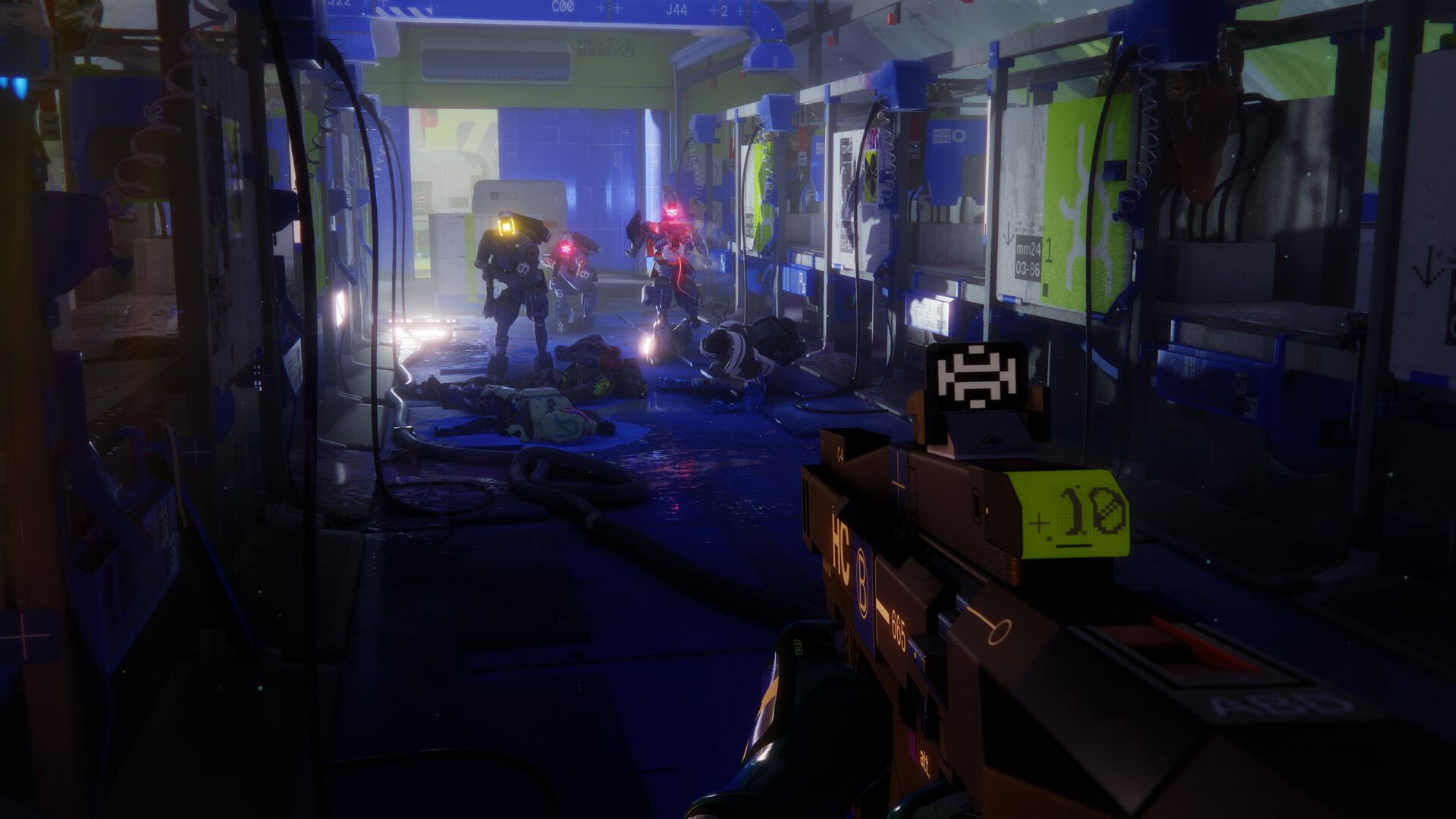
Sifting through the UI, however, is a chore and probably will always be as such. You have a handful of menus you’ll be going through between each game, like your vault/backpack, the armory (in-game shopfront), the codex, and the factions. Mostly the factions, though, as this is where you’ll apply all your progression. There are six factions you’ll work for in Marathon, all with their own distinct design aesthetic.
More importantly, though, they all lean into improving one aspect of your gameplay. Traxus are a weapons manufacturer that specialises in the ability to buy weapons or weapon mods from them. MIDA are an anarchic force focused on displacing the corporate work of others and specialises in utility equipment like grenades, claymores, etc. And Arachne are a PvP-focused faction that lets you upgrade aspects of your combat efficiency for those high-stakes interactions. All of which will have quests for you to complete or certain in-game moments that help you earn reputation for them.
It’s a near-perfect incentive to dictate your own playstyle to cater to those factions. The big one for me was upgrading CyberAcme, basically the OS of Shells that enhance the basics, like your vault space. This meant I had to complete their quests, hack tech in matches, and complete Intercept events when they appear. I was self-motivated to not engage in unnecessary combat but instead do my quests and exfil successfully as a result.
This is made possible through the ingenious inclusion of free kits. These refresh daily to a different faction, but they essentially give you the bare minimum tools to succeed in a match. Which is where Sean’s rougelike analogy comes into play. To gain our footing, we would use a free kit in a match. If that was successful, chances are we’d have better gear, which you then take with you to continue, and so on. If you fail, you just rinse and repeat. It’s the one saving grace of Marathon that stops it from alienating a more casual audience, and reduces the painful sting of losing everything you’ve built towards.
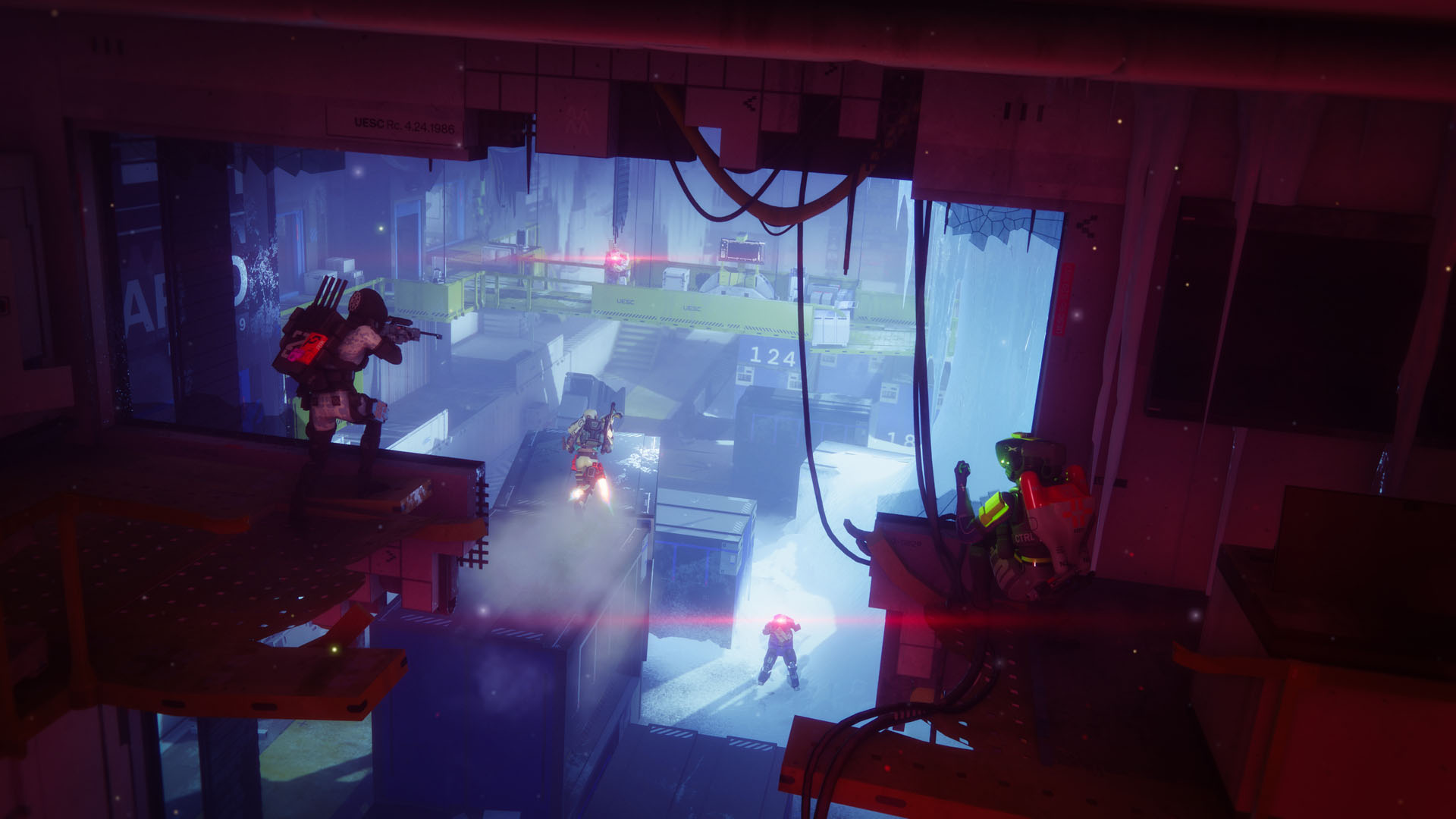
But is that somehow a nefarious way to sucker me into playing and becoming fodder for the already elite playerbase that Marathon has cultivated? Maybe only a tiny bit, but it’s a well-intentioned mechanic that helps early game players to succeed from nothing, and I can’t knock it for that. In the ongoing weeks, Bungie have heard feedback and acted quickly to address a lot of player issues, which is an ideal relationship to have with persistent worlds like this one.
But they’ve also dropped two new modes for the mid to endgame players who are looking to level up their spoils. They’ve introduced a ranked mode, which is exactly like the normal runs you would go on. However, you’ll need a loadout value of at least 3,000 of the in-game currency and a holotag in your backpack to proceed. The holotag essentially stays in your backpack to count the value of what you’ve salvaged from the world or players. If you exfil successfully with a backpack that exceeds the holotag’s value, then you gain XP to increase your rank.
I’ve not personally got far with this, but I imagine the higher ranks have a higher barrier for entry, which basically means you’ll need weapons attached with some of the game’s best loot, as well as good shields and chips that modify your Shell’s gameplay. Then you have the Cryo Archive, which has been likened to a raid. There are puzzles to solve, hard enemy AI to conquer and some of the best Runners you’ve seen in the game. Its labyrinthine design is the culmination of the many entry points to almost every part of the standard maps. Again, a mode I’ve not had that much success in, but it undeniably bolsters Marathon’s offering.
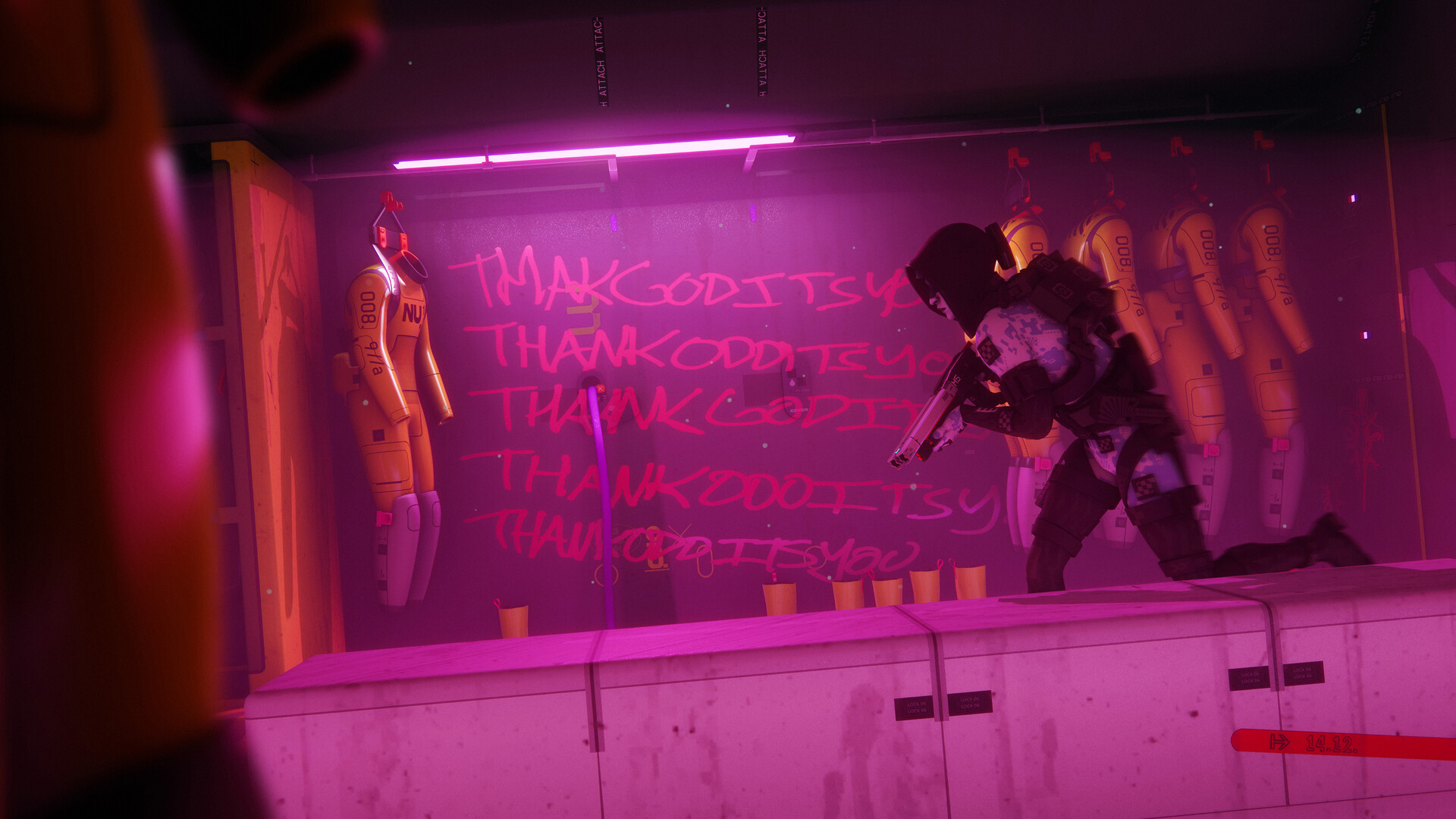
Between this and ranked, I can put my hands up and currently say I’m out of my depth. I am but one person who has had the best time playing with the Finger Guns crew when we can, but it’s mostly been on my own with Crew Fill on. It is unforgiving, and it’s Marathon at its harshest. There’s nothing more disheartening than losing some of your best stuff to Runners that eat Shells like me for breakfast.
A lot of what Bungie has packaged in Marathon is an astounding feat of design philosophies, melded seamlessly into their signature gunplay and created a pressure cooker of intense PvP gameplay. There’s a heaping of paranoia to give your fight or flight response a good kicking, too. I just think I may have reached my ceiling, or had my fill, as I mentioned at the top.
The loop in Marathon is addictive. Progression isn’t solely tied to defeating other players. You’re incentivised to explore, organically creating map knowledge, and the Shells all feel like viable picks to cater to your playstyle. My only wish is that Marathon continues to be supported, because outside of its stand-offish exterior, with a steep learning curve, it’s a game that only becomes more fulfilling the more you chip away at it, in a myriad of ways. You won’t be staring at me through the barrel of a gun, but you may find me reading through all the codex entries, enamoured with yet another world that Bungie have created.
Marathon is out now for PlayStation 5 (review platform), Xbox Series X/S and PC via Steam.
Developers: Bungie
Publisher: Bungie
Disclaimer: In order to complete this review, we were provided with a promotional copy of the game. For our full review policy, please go here.
If you enjoyed this article or any more of our content, please consider our Patreon.
Make sure to follow Finger Guns on our social channels. Twitter, Facebook, Twitch, Spotify or Apple Podcasts – to keep up to date on our news, reviews and features.