


Producing any form of art is a brutally challenging process for many who seek to undertake it. Whether it be writer’s block, musician deflation, a painter’s harrowing lack of inspiration, most can empathise with struggling to find something, anything, to say, or create. I can vouch for this myself, having started, deleted and shelved more than a few ideas for writing pieces.
With that in mind, what better seed with which to build new art around? Project Songbird is a unique kind of first person, psychological horror game, one which uses the concepts of self-doubt, trauma and artistic blockage in truly interesting ways. A strange beast, where on the surface appearing to use these themes in “typical” horror fashion, only to give way to an inspiringly raw and vulnerable deeper layer.
Crow Country Music
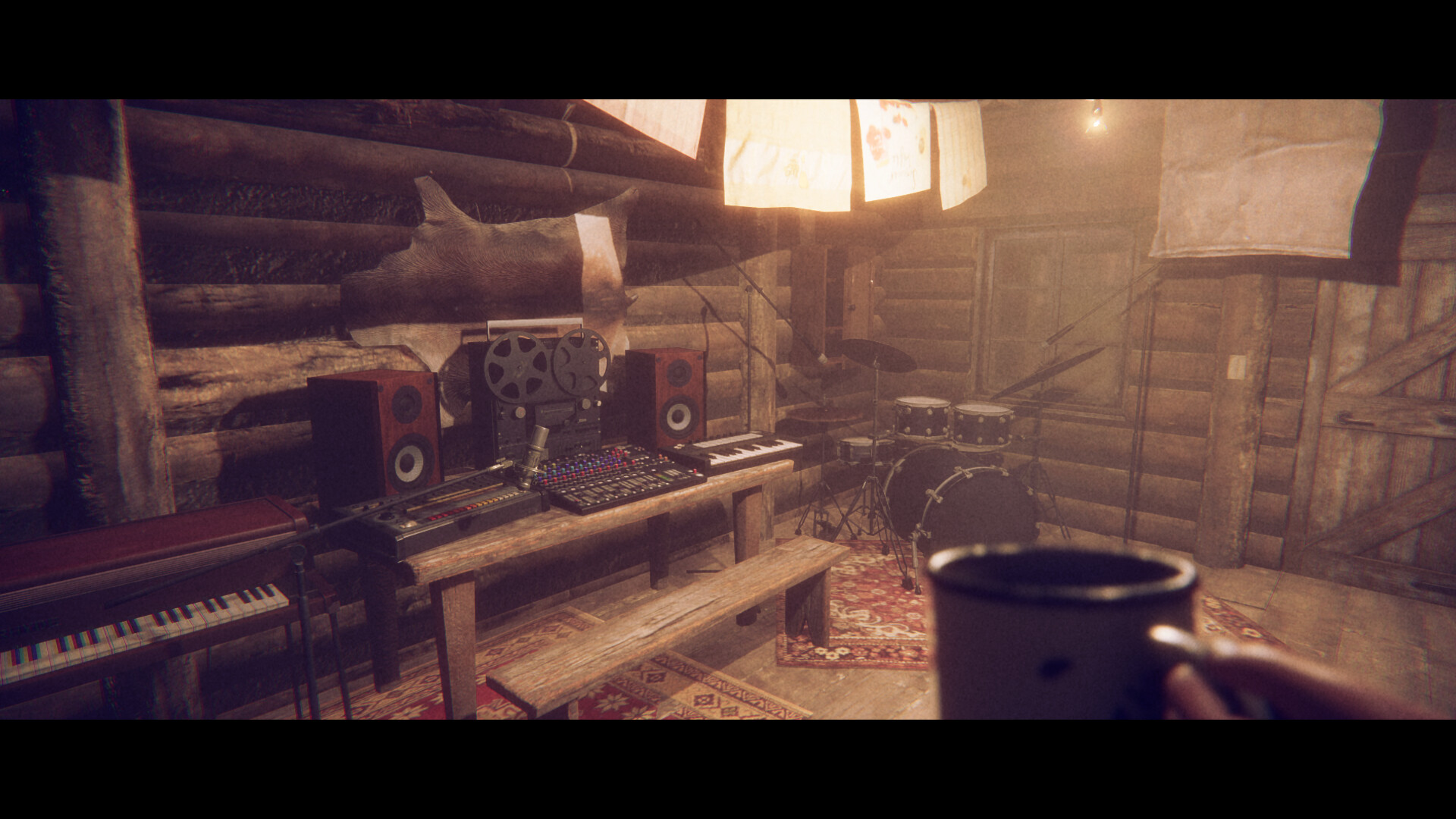
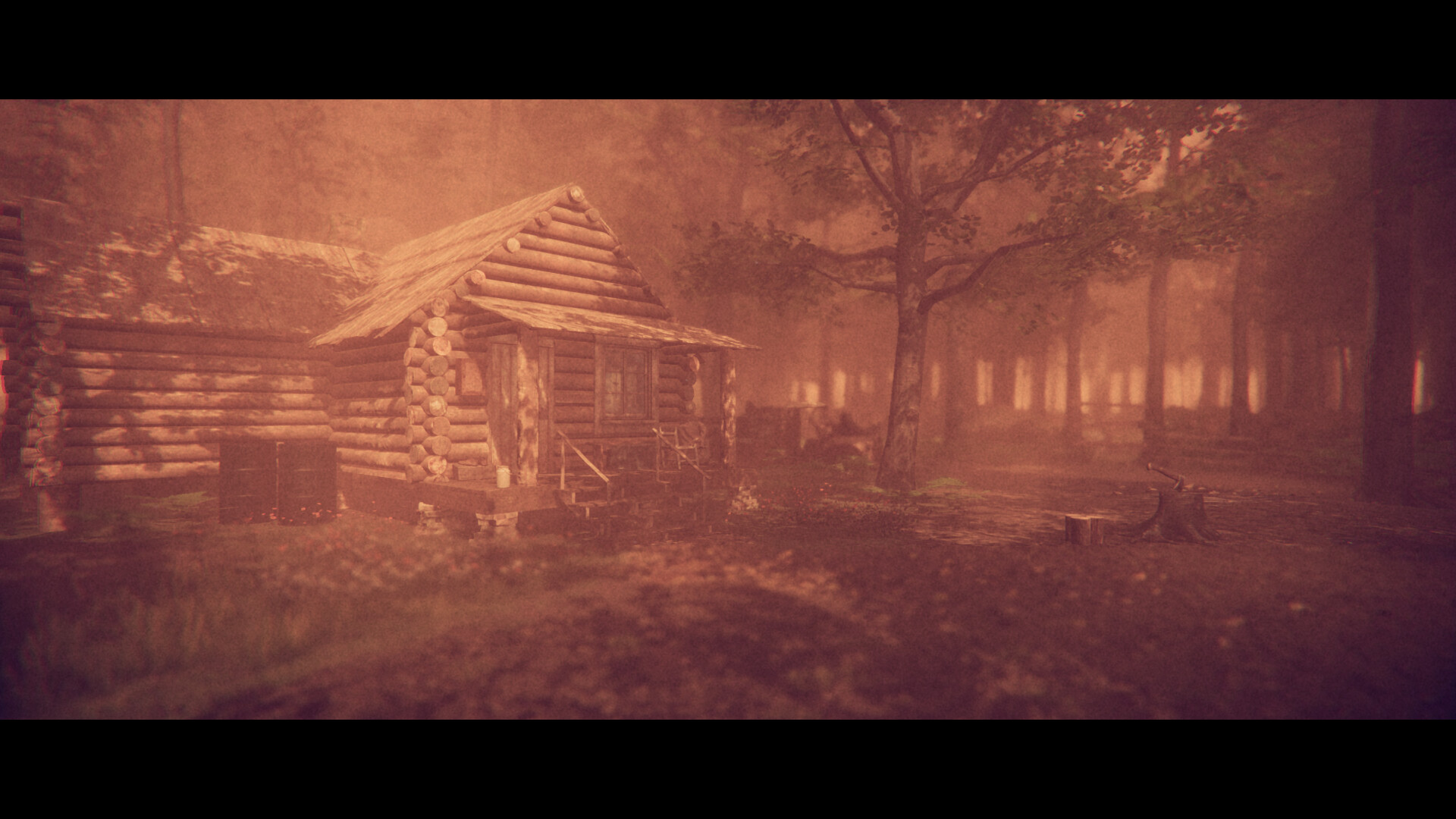
Project Songbird’s core story revolves around Dakota, and her stage name, Neon Songbird. Dakota finds herself in an artistic rut, in an Alan Wake style barricade of creative inspiration. As is almost required by law in such situations, she’s whisked away to a solo forest cabin retreat by her manager Rob, in order to create a new album to satisfy her record label.
So far, so fairly cliche. Which I think is both intentional, and effective. About 70% of Project Songbird would fulfil the criteria mandated for most psychological horrors. An isolated protagonist with a traumatic history, a strange and seemingly untoward location, and a host of plot threads that unfold through the character’s interpreted memories of events.
However, the other roughly 30% of the game uses much of this to explore this core theme of self-doubt and ritualistic criticism in a way which is both emotionally vulnerable, and remarkably open. So much, so, I don’t wish to explain it here, as it’s something that needs to be experienced first-hand to fully land. The final act and sequences had me mentally moved and introspective, which caught me quite off guard.
Songbirds of Prey
While Dakota’s story sticks to fairly well-worn ground, it’s elevated by excellent voice performances across the board. She reacts with defiance when queried about her change in style, becomes fearful when faced with isolated introspection, and her dialogue very much matches that. As do the supporting cast, including a Troy Baker-like Rob and impressively creepy older lady.
I’m commonly someone who misses the “message” of a story, owing to just following the surface level details of a narrative. However, Project Songbird was an exception. Not only did it connect with me, thanks to its well-written approach and immediately accessible concept, the deeper story had me empathising repeatedly, in recognition of things I hadn’t even registered myself previously.
I also want to mention that it’s a well constructed, self contained tale that ties up its threads nicely, while having plenty of moments that’ll have you scratching your head until it comes together. Put simply, I really like what FYRE Games have achieved with its storytelling and writing here. Tackling the creative process of building art, and how soul-destroying that very process can be, in a meaningful way, is hugely impressive.
Stringing Projects Together
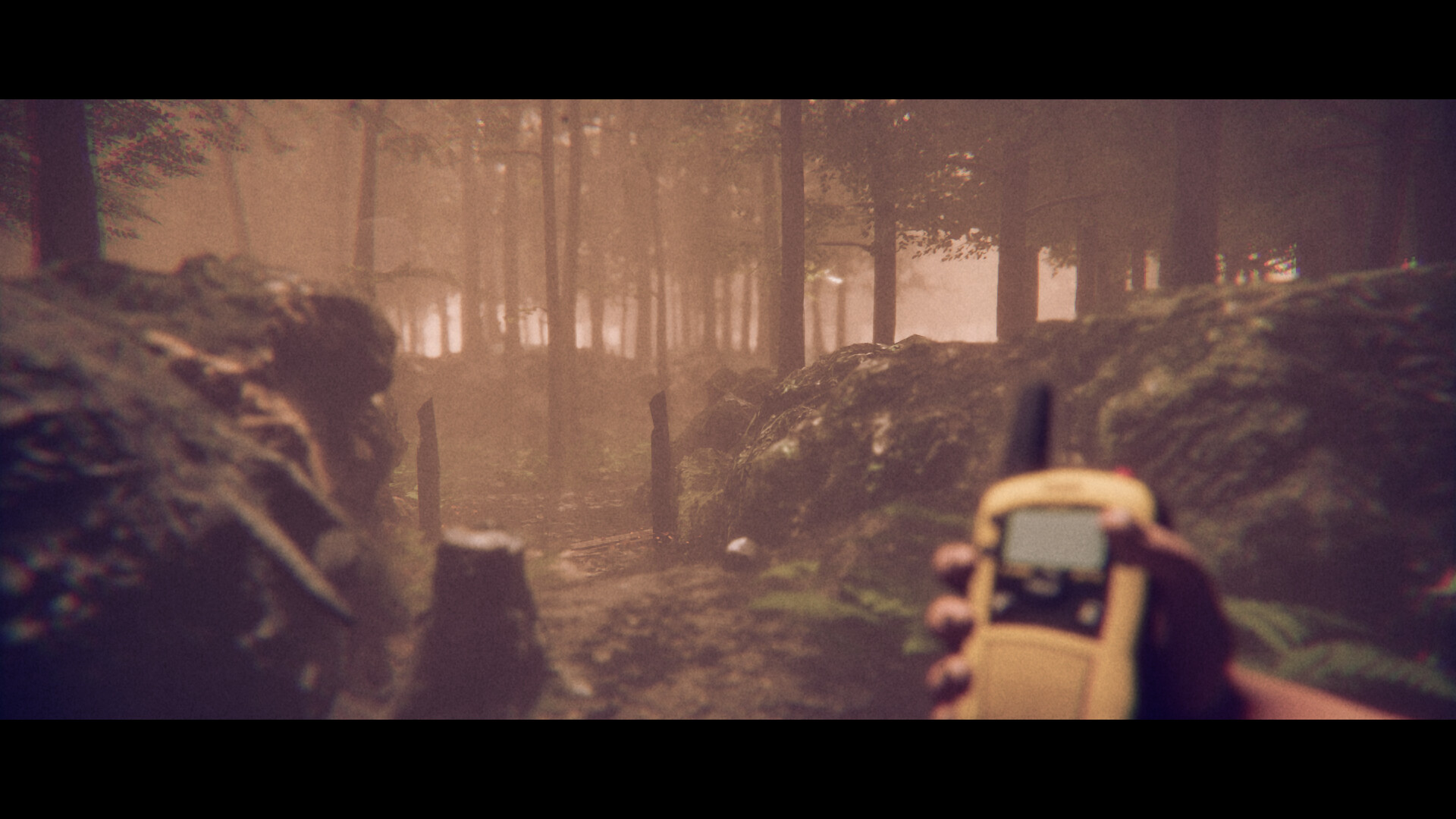
With Dakota needing to produce the album of her life, we’d better get to discussing how she goes about doing so. Half of the game is more walking simulator territory, as the small alcoves surrounding the cabin become available to explore over the game’s three acts. There are a couple of pretty decent puzzles involved, as well as “get X item to do Y task”.
Aside from an early tool-tip not displaying which caused me to wonder around for 20 minutes before restarting a checkpoint, it’s solid. You can interact with various items, including Dakota’s record collections and use a noise detector to sample collectible sounds around the environments. Will it blow you away? Probably not, but it functions effectively for pacing purposes and building the story.
The area becomes freely traversable once you acquire a select few items, allowing you to explore and take in the atmosphere if you like. The cabin functions as both Dakota’s and the player’s anchoring landmark, but the walking speed can feel ponderous and a touch too slow, even when using the sprint option (at least until New Game + and getting Caffeinated, anyway).
Projecting Your Fears
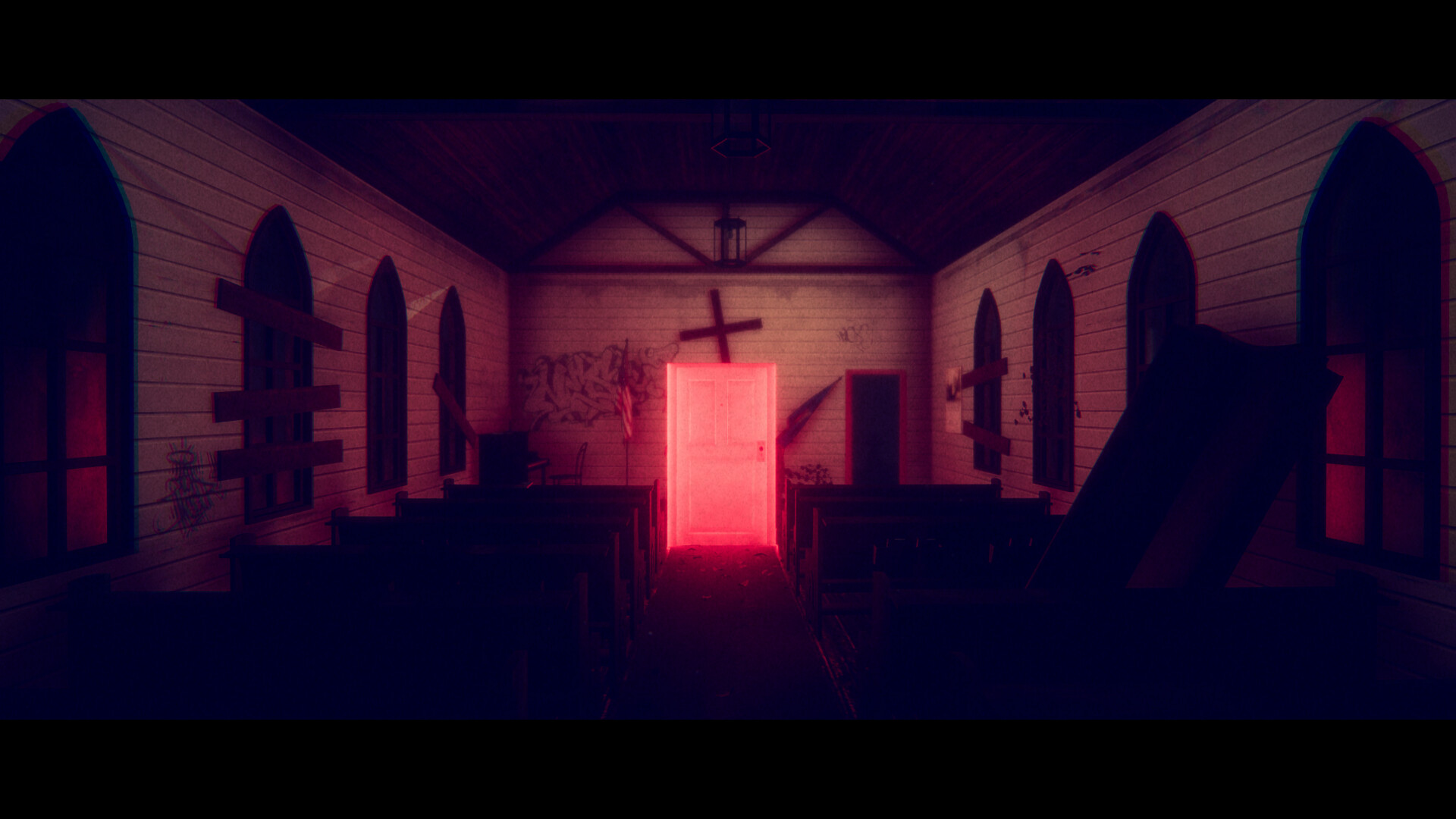
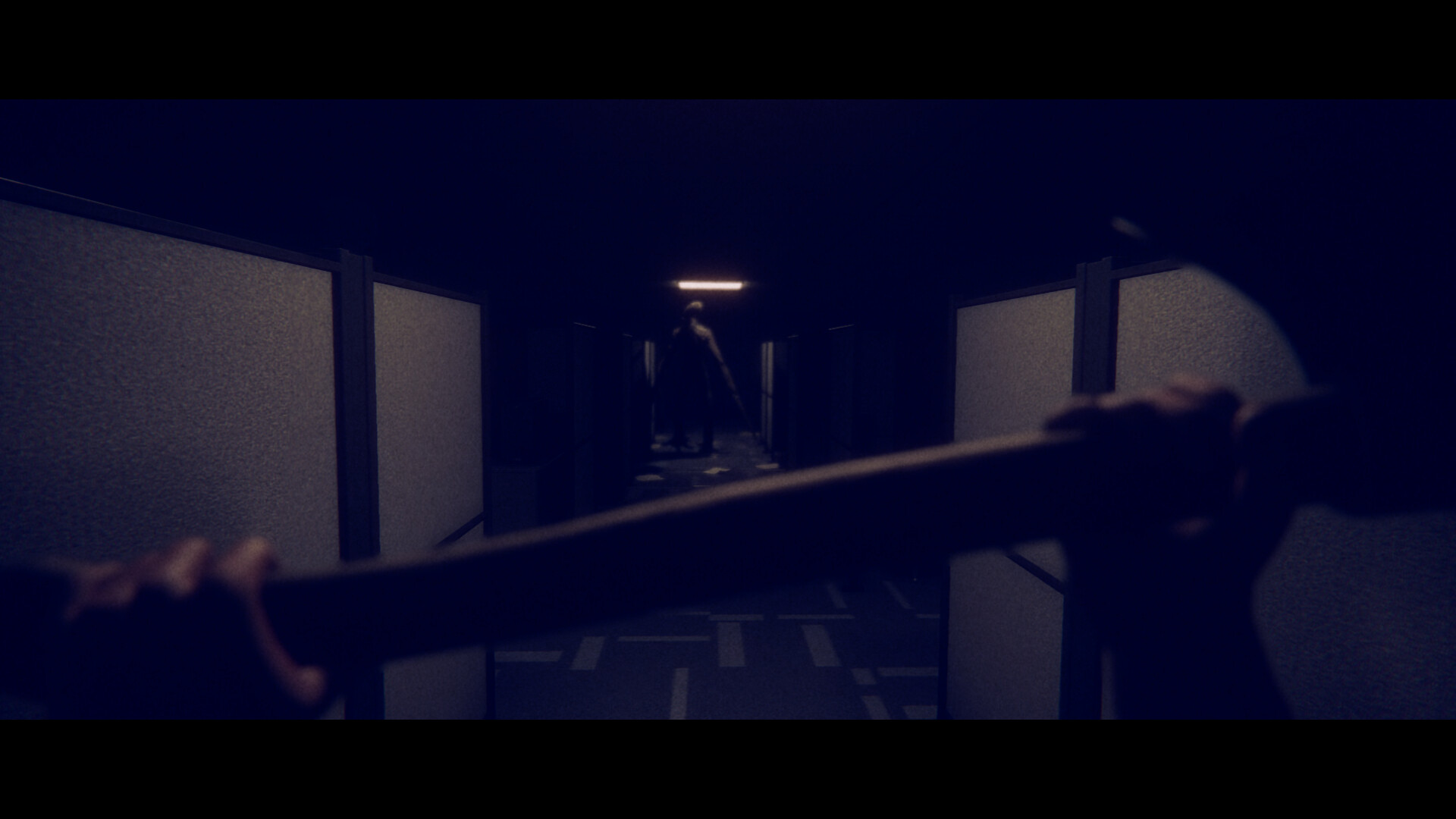
Interspersing the regular gameplay are three “nightmare” sequences, featuring aspects of Dakota’s damaged psyche and the trauma that’s led to her current musical malaise. This is where more of the traditional horror mechanics come into play, including combat and mind-bending navigation in dark, claustrophobic spaces.
Combat-wise, Project Songbird sits in the slightly clunky but decent group. Enemy animations can be blocky and have clearly defined wind-ups, but limited resources and ammo keep things on edge. There are two enemy types, one a brawling monster and the other… I’ll mention in a second. Brawlers can break your axe and take multiple hits from a revolver to go down (or one good hunting rifle headshot). As such, carefully deciding when to upgrade and when to repair your axe is key.
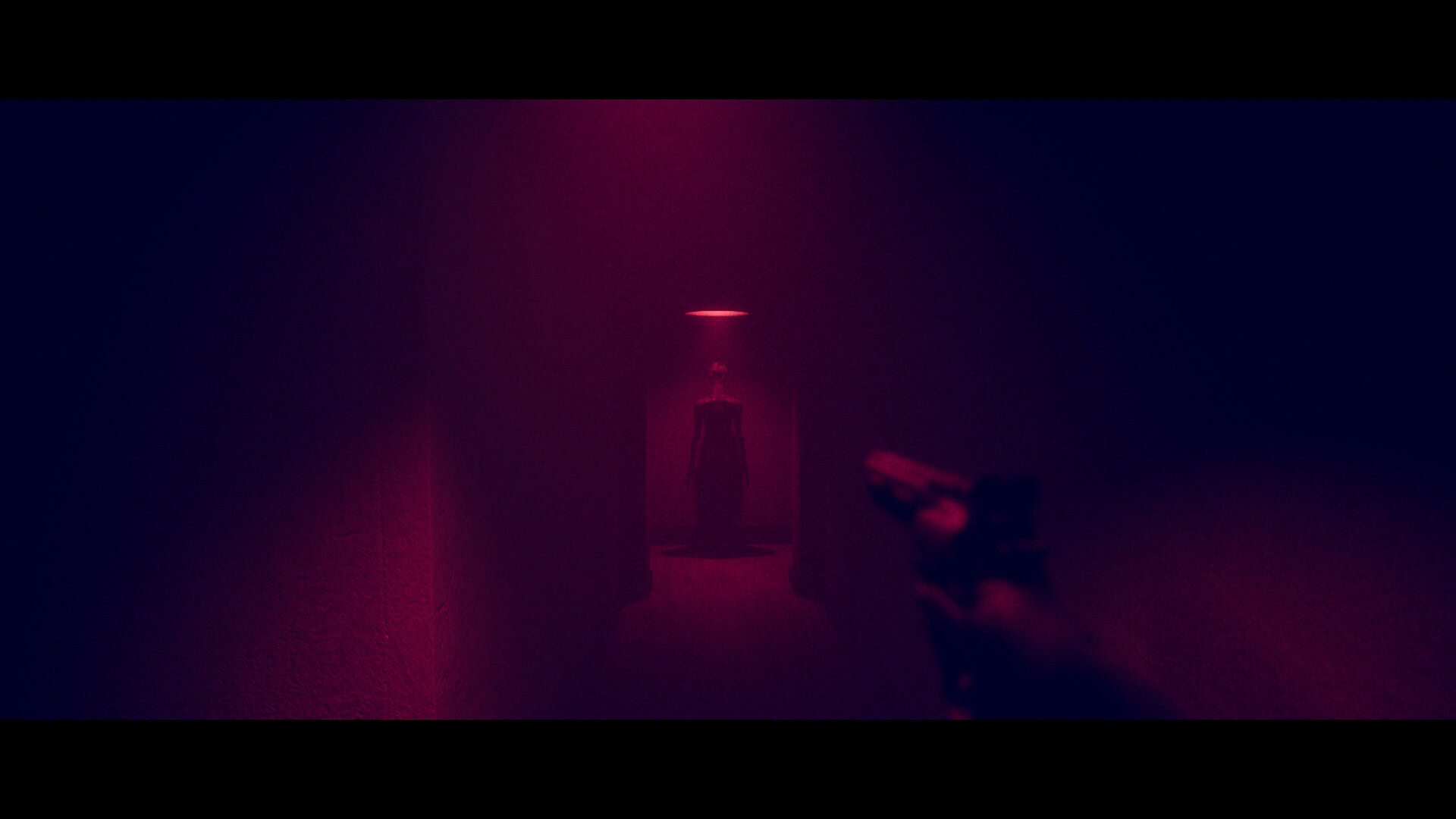
It’s a good loop that had me running for my life on more than one occasion. The second enemy type is one that moves only when not being seen… but is invincible. It makes a lot of noise, and by God, is the noise terrifying. During these encounters, you’re hastily attempting to complete a task while trying to buy yourself enough distance. Both enemy types work well for changing up the tension and stakes. I wouldn’t say the weapons or melee combat excel, and stealth often rarely worked for me, but it does the job.
Cohesive Melody
What Project Songbird lacks in gunplay flare, it more than makes up for in immersive cohesion. While having only two foes in most games would be a significant drawback, they both demonstrate an awareness of meshing gameplay with narrative.
The big, aggressive enemies function akin to negative feedback and criticism from others, bashing us right on the skull. While the former represents the demon that approaches us from within. The inner voice that sneaks about the shadows, becoming louder and more overwhelming in its approach. It’s the demons that stalk us when we aren’t looking, that do the most damage.
I really love this element of Project Songbird. The nightmare environments Dakota must navigate directly relate to her experiences, but twisted manifestations of her interpretations of them. Many horror games mistake gore and gruesome imagery alone as reasons to be fearful, but lack the meaning to make them impactful. Not so here. While it’s not the scariest game I’ve ever played, I suspect the latter, stalking-like enemy will give many a player a fright.
Watch My Encore
In terms of visuals, Project Songbird falls into a mix of both good and not so good. In general, environments like the areas surrounding the cabins can look sort of washed out and grainy, while the lighting can fluctuate between beautiful and somewhat strange. It’s not unusual for an indie title to have these kinds of issues, which given the lower budgets and resources, needs to be accounted for.
Having said that, the creative direction behind the visuals, like the inspiration for the nightmare locations, is excellent. The darkness is truly suffocating in places, the clever use of claustrophobic interiors littered with details relating to Dakota’s mindset, the rush of red emanating out of every corner all strike powerful visual cords.
There are some minor technical issues, ranging from a weapon’s animation not working when firing (but at least shooting the big bad), to framerate stutters here-and-there, or noticeable texture pop-in for some objects. Again, being considerate of the size and scope of the game, this is relatively understandable and by no means a deal-breaker.
Songbirds of My People
In playing and finishing Project Songbird twice, I think its defining trait is the earlier mentioned willingness to show vulnerability on the part of the developer. I’m still ruminating on the nature of creating art, the duality of both its ability to inspire and deject, and how the toughest terrors are never the literal monsters, rather the monstrous nature of our own fears.
The game tackles themes and concepts that are impacting and unflinching, something I’ve always been supportive of. What initially begins as an expectant and predictable experience, suddenly drops an evocative bombshell right onto your screen. Whether this translates as well for others as it has done for me, I can’t guarantee, but it was a perspective-shifting experience without doubt for my money.
If nothing else, I commend FYRE Games and Conner Rush for having the courage to truly commit to the theme and concept. Putting any of your own expression and art out into the wider world is daunting and filled with risk, but here it’s translated into something genuinely moving. What else can art be, if not an attempt to create empathy and connection, something Project Songbird achieves.
Project Songbird is available on March 26th for PlayStation 5 (review platform), Xbox Series X|S and PC.
Developer: FYRE Games, Conner Rush
Publisher: FYRE Games
Disclaimer: In order to complete this review, we were provided with a promotional copy of the game. For our full review policy, please go here.
If you enjoyed this article or any more of our content, please consider our Patreon.
Make sure to follow Finger Guns on our social channels –Twitter, Facebook, Twitch, Spotify or Apple Podcasts – to keep up to date on our news, reviews and features.