

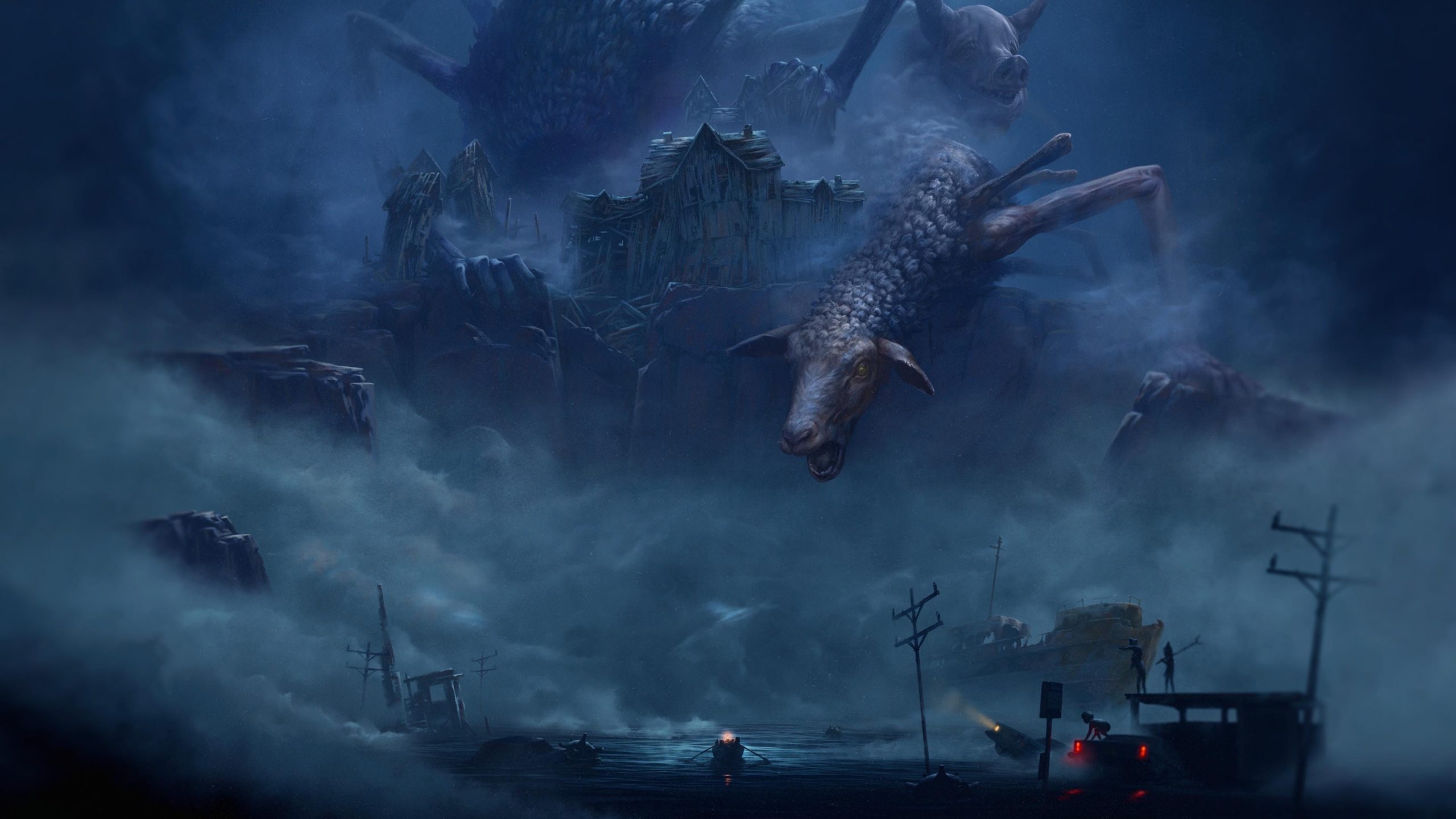
Following up on a franchise that became so popular mustn’t be an easy feat. Tarsier Studios, known primarily for Little Nightmares 1 & 2, have carved out their own gaming vernacular at this point. A mouse-sized protagonist traipsing through towering, disturbing dioramas, facing the uncanny horrors of human monsters; contextual puzzle-solving in silence as you avoid getting caught; a morbid whimsy in its visual style you could compare to films like Coraline or Monster House. It’s been a winning formula for the studio so far, but doing a sequel just wasn’t on the cards for them. Instead, Tarsier Studios have started fresh and begun anew down a darker, more grim path with Reanimal.
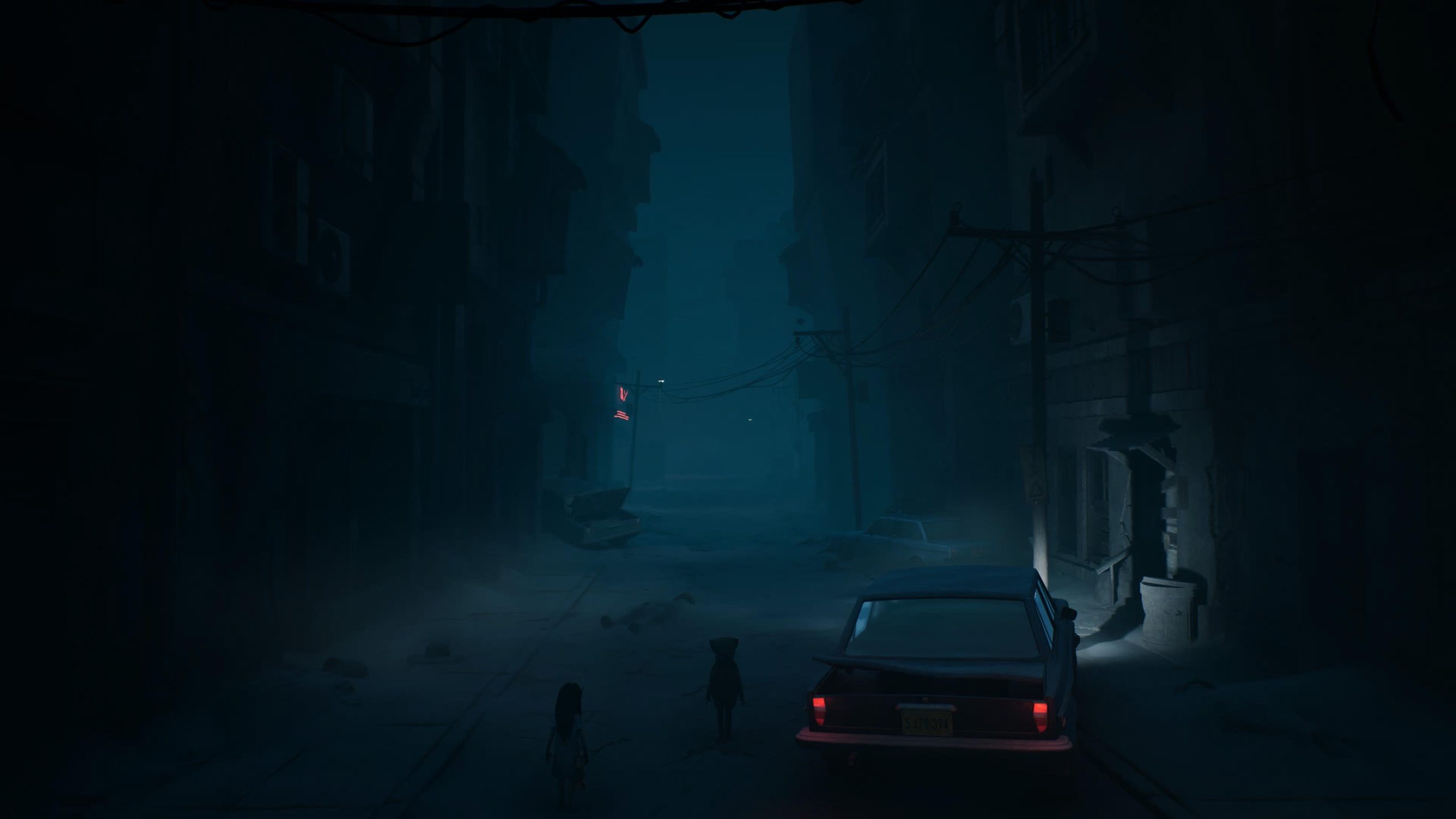
Expectations from players could well be mixed. How much change is too much? How little difference from the studio’s previous work justifies starting again? Especially when the third Little Nightmares was handed over to a different studio to less-than-stellar results in fans’ opinions. This is what makes Tarsier’s approach to Reanimal most interesting. Instead of relying on brand recognition with a sequel, the studio have opted to create a game that could easily be mistaken for their previous work, but with more nuance and a deeper understanding of their established style. It took me a playthrough and a half, as well as a revisit to Little Nightmares 2, to realise that what they were doing was more subtle in execution.
There’s so much DNA from the first two Little Nightmares in Reanimal that I admittedly struggled to justify this pivot at first glance. However, what I came to notice was an evolution to what came before, breathing a richer, more foreboding and outright horrifying new chapter to their tomes of tiny terror. But does this reanimate the genre that the studio helped create? Or does it feel reheated? Let’s tuck in.
Co-op is here to stay as you play one of two siblings in local or online co-op. A neat feature of Reanimal is that it lets you share your copy of the game with one other person at no extra cost. The default sibling in solo is The Boy, with The Girl staying close behind you across this tour through hell. The setting is undisclosed, your adventure is an enigma, and you’re not entirely sure why you’re on this treacherous journey. All I could glean is that the children presented in Reanimal are trying to escape whatever man, monster or animal has created here – and that all of the kids are wearing Halloween 3-esque masks.
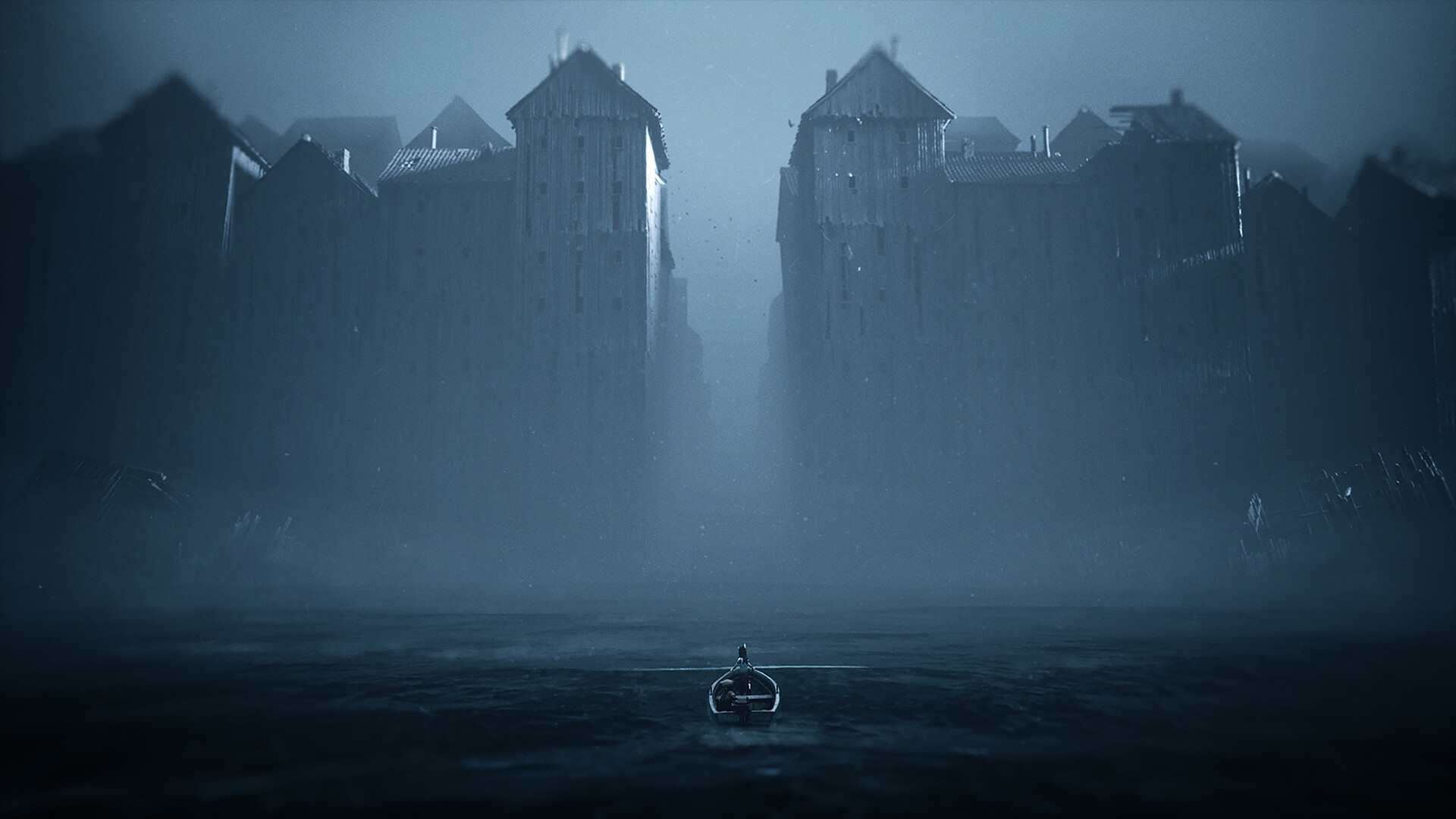
Tarsier Studio have described the experience as one that’s up to interpretation, but outside of some faint ideas of what the story is trying to say thematically, I’m at a loss on how I feel about it. There is a supposed secret ending tied to a collectable, but I’m no GameFAQs, so until someone smarter than me shows me, I’m left to ponder. More vivid than its narrative is its sense of place. There’s undoubtedly some inspiration from the Silent Hill franchise, with imagery of despondent, fog-draped towns.
As well as an emphasis on contrast and washed-out colours, outside of some reds, very reminiscent of Playdead’s Inside. It’s not just game inspirations either, as I can’t help but think of Elem Klimov’s anti-war epic Come and See. Luckily, Reanimal’s not nearly as gut-wrenching or traumatising as that film, but there’s enough to illicit similar reactions – terror, disgust and shellshock all sit in this twisted new world.
At the very least, despite the game’s indirect interpretative narrative, I’m still thinking about it, which is a power in and of itself. I can’t wait to see the deep dives, have conversations and hopefully understand where Tarsier Studios was coming from with it. More straightforward, however, is Reanimal’s gameplay. Away are the sidescrolling dioramas of Little Nightmares, and instead, we’re in a fully realised 3D world. The game utilises dynamic camera angles to guide the player in a very cinematic way. It’s not on the level of retro-survival horror, but it certainly dredges up those elements into the modern-era.
This is the first of the aforementioned subtle changes. It didn’t immediately strike me, as I was instead way more immersed in the world. I realised I wasn’t seeing the edges of the levels anymore, I was in the new nightmares that Reanimal presents. Bolstering that immersion is the connectivity all the chapters have. Whilst the game is strictly linear, you return to previous areas and go between new ones via a boat. Isolated, it sounds insignificant, much like the other creative choices Reanimal takes. But it’s all these small additions that build to a greater overall vision.

The gameplay formula hasn’t changed, however. You’ll see yourself running through mini-gauntlets to avoid getting eaten, finding innocuous items that’ll help you progress through the area – things like bolt cutters to cut a lock, or a plunger to dig out a skin suit from the loo, which reveals a key. As well as some coordinated puzzle moments that are few and far between, for a game that emphasises coop in its promotional material. I wasn’t overall let down by the gameplay, but once you’ve played the first third, you’ve pretty much played all the variations it has to offer. I finished the game in roughly six hours, and to feel slight gameplay fatigue in that time might be a deal breaker for some.
The trade-off is the implementation of those few elements in the variety of scenarios that Reanimal sees you in. The game has some truly disturbing imagery and bleak environments to wade through, which intensify the trepidation of moving forward. The aforementioned skin suits are seen throughout the game, whether as harrowing background fauna or actual assailants coming for you. Think of a human without a skeleton or organs, slithering towards you to consume you whole in high-strung chase sequences. There’s more that I won’t get into too much detail as describing won’t justify how creepy they are. But I will say that Tarsier Studios have enjoyed blurring the line between humans and animals to make some really messed-up creatures through that experimentation.
One of the other changes in gameplay is that you play in a more active role throughout scenarios. You’re not necessarily always running away defensively, but can also hold off on some of the monsters in a variety of ways. It adds this uncertainty on how to tackle certain scenarios, or even lets you decide how you want to approach it, but again in limited quantities.
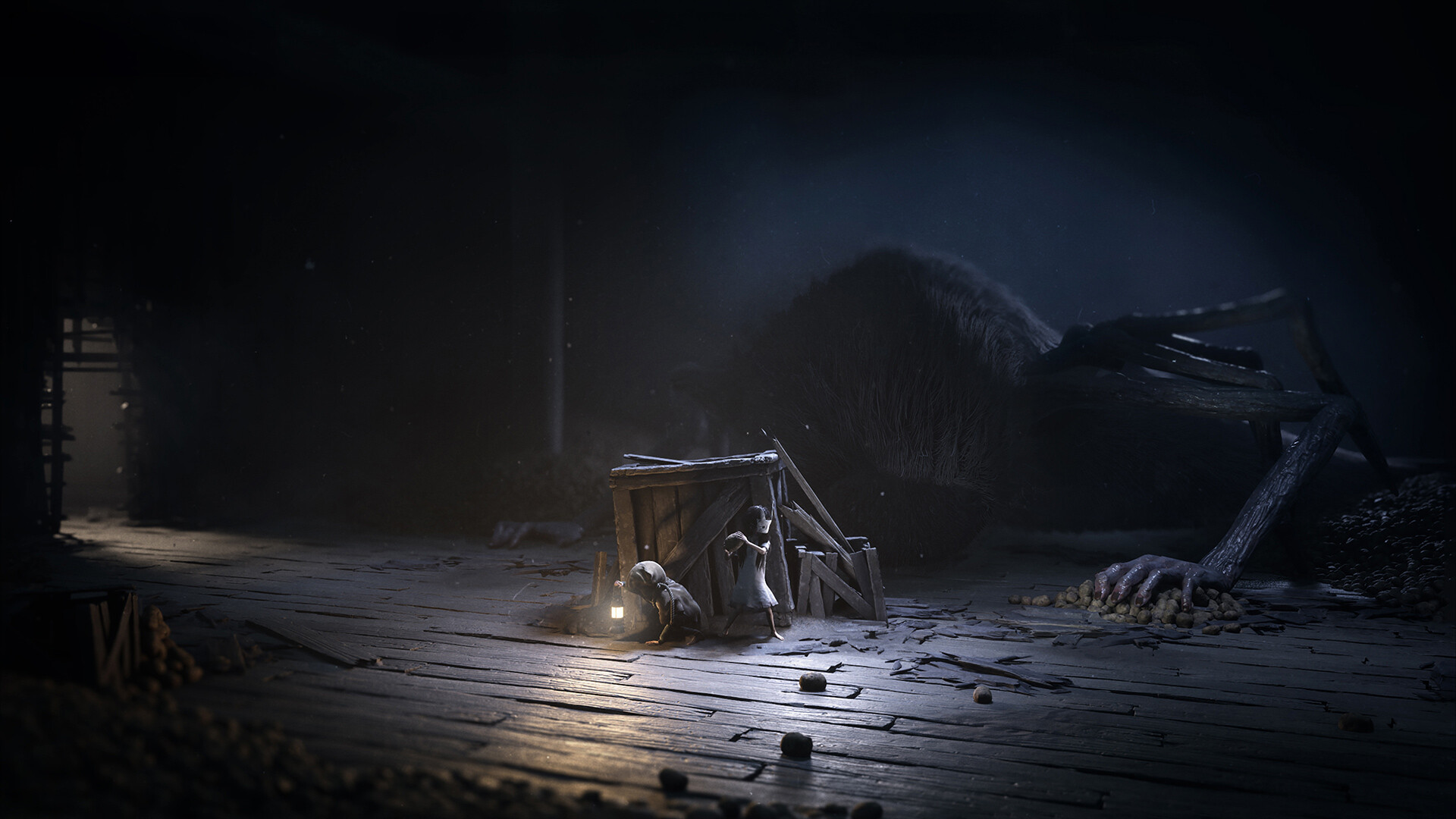
Overall, I enjoyed the studio’s pivot into something darker and grittier. There’s a clear understanding of how to build a world so realised and horrifying, whilst remaining true to the genre they pioneered. I do feel like, outside of its visuals, style and greater understanding of immersion, that its gameplay has gotten a little tired. If you’re looking for more of the same but in a more mature setting, then you’ll come away completely satisfied. However, I was hoping for just a little bit more evolution in its gameplay – scenarios I’ve never experienced before outside of the game’s visual differences. This is a cool new direction for the studio, but one that plays it a little too safe.
Reanimal is out 13th February 2026 for PlayStation 5 (review platform), Xbox Series X/S, Nintendo Switch 2 and PC via Steam.
Developers: by Tarsier Studios
Publisher: THQ Nordic
Disclaimer: In order to complete this review, we were provided with a promotional copy of the game. For our full review policy, please go here.
If you enjoyed this article or any more of our content, please consider our Patreon.
Make sure to follow Finger Guns on our social channels. Twitter, Facebook, Twitch, Spotify or Apple Podcasts – to keep up to date on our news, reviews and features.